Have you ever wondered why potters fire their work twice? It seems like a lot of extra time and electricity, right? If you’ve ever felt the urge to skip straight to the shiny, colorful “finished” stage, you aren’t alone. But in the world of ceramics, the bisque firing is the secret sauce that turns a fragile lump of mud into a professional piece of art.

Whether you call it “biscuit” (the British way!) or “bisque,” this stage is the most important “glow-up” your clay will ever experience. Let’s dive into why this “teenage” stage of pottery is a total game-changer.
What Exactly is Bisque?
The word comes from the French biscuit, meaning “twice-baked.” Historically, high-end European factories like Sèvres used unglazed “bisque porcelain” to mimic the soft, matte look of classical marble statues.
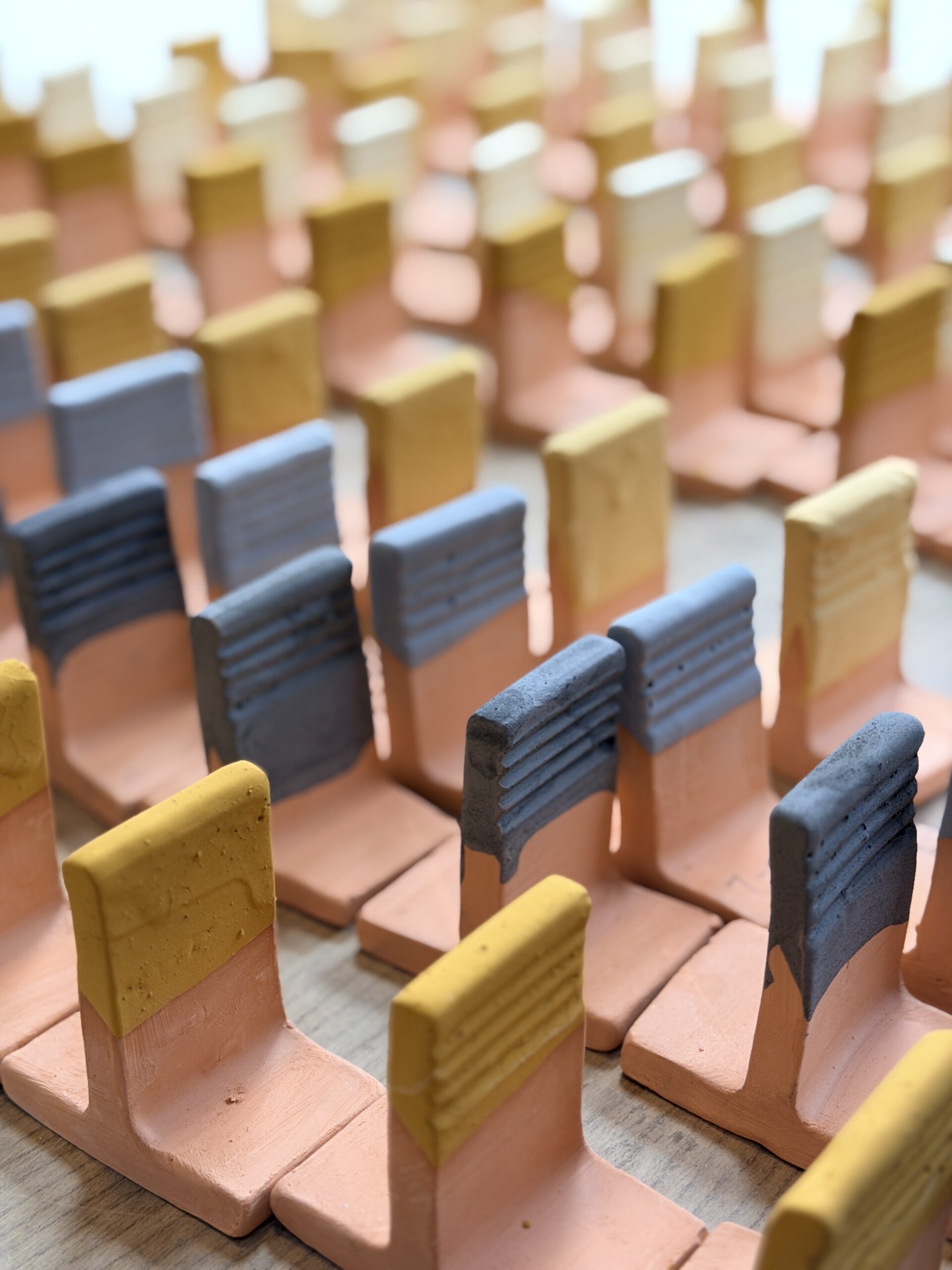
Today, it refers to pottery that has been fired once to harden the clay but hasn’t been glazed yet. It’s no longer raw mud, but it isn’t quite a waterproof mug yet. Think of it as the permanent foundation for your masterpiece.
Why You Can’t Skip the Bisque (Science Alert!)
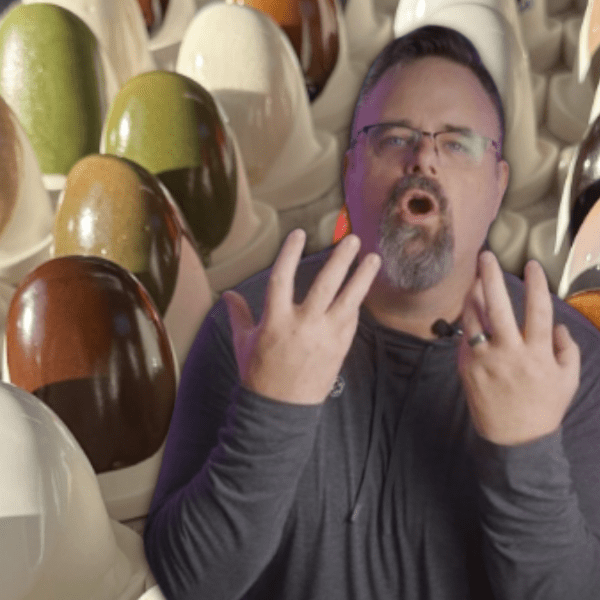
According to ceramic materials experts like Matt Katz of Ceramic Materials Workshop, bisquing isn’t just a tradition—it’s a critical chemical transition. To understand why we do it, we have to look at the molecular transformation of the clay body.
Wait, wait..I’m more curious about clay body profiling! Read CMW’s Blog: Clay Body Profiling – The Truth Behind the Clay
The Problem of Porosity
For potters making durable, functional ware—the mugs you drink coffee from every day—CMW adheres to a strict standard: the body should be below ~0.5% absorption at peak temperature to be considered properly vitrified and food-safe.

1. Dehydration and the “Explosion” Myth

While many believe air pockets cause kiln explosions, the true culprit is interstitial and chemically combined water. Even “bone-dry” clay contains water molecules trapped within the crystal lattice of the minerals (like Kaolinite).
- The Physics: Between 100°C and 200°C, physical water evaporates. However, between 350°C and 600°C, a process called Dehydroxylation occurs, where chemically bound (OH) groups are driven off as water vapor.
The Risk: If the temperature rises too quickly during this phase, the pressure of the escaping vapor exceeds the tensile strength of the clay, leading to a catastrophic structural failure
2. Mastering LOI (Loss on Ignition)
One of the most vital roles of the bisque is managing Loss on Ignition (LOI). Raw clay is a cocktail of organic matter, carbonates, and sulfates.
- The Chemistry: As the kiln heats up, these “impurities” undergo thermal decomposition. Carbon burns out (oxidation) between 400°C and 700°C, while sulfur and carbonates break down slightly higher.
The “Gunk” Escape: If you skip the bisque and apply glaze directly to raw clay, these gases will try to escape through the glaze while it is molten and bubbling in the high-fire stage. If the glaze cools/melts before the gas finishes escaping, they can leave you with permanent pinholes, pitting, and “moon craters” in your finish. A bisque firing to Cone 08 ensures the clay is “clean” before the decorative layer is added.
3. Controlled Sintering and Capillary Action
Bisqueware is engineered to be a “high-performance sponge.” During the bisque, the clay undergoes sintering—the stage where clay particles begin to fuse at their contact points without melting into a liquid state.
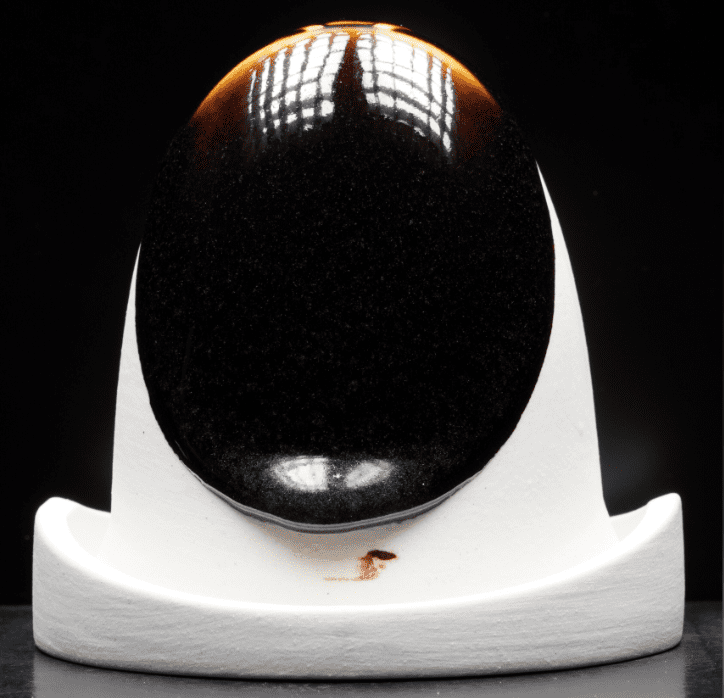
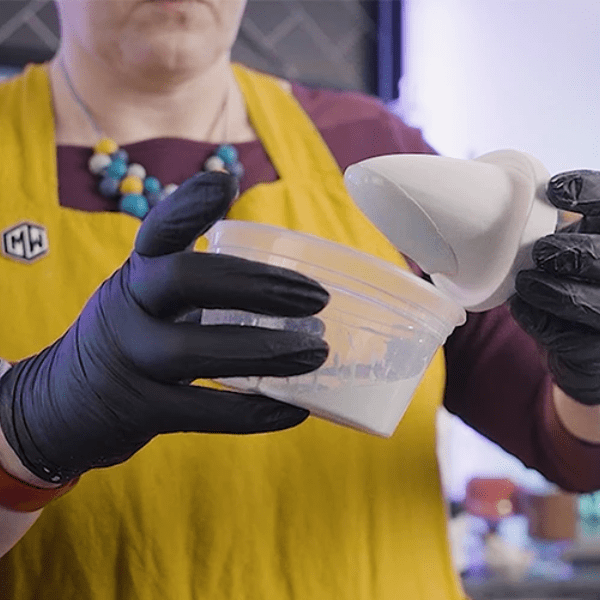
Porosity: This creates a network of interconnected pores. When you dip bisque into glaze, capillary action pulls the water into the pot, depositing a uniform layer of glaze chemicals on the surface. Without this “thirsty” stage, glaze application would be uneven, drippy, and prone to “crawling” (where the glaze pulls away from the clay).
4. The “Once-Firing” Gamble (Single-Firing)
You might hear some potters talk about “once-firing” (skipping the bisque and glazing raw clay). While possible, it is the “extreme sport” of ceramics for several reasons:
- Structural Fragility: Raw clay (greenware) is incredibly fragile. Immersing a raw pot into a bucket of liquid glaze often causes the piece to absorb too much water, lose its structural integrity, and simply collapse or dissolve in your hands.
- Glaze Fit Issues: Because the clay and glaze are shrinking and degassing at the exact same time, the tension between the two layers is immense. This significantly increases the failure rate, leading to cracks (dunting) or shivering.
- The Verdict: While once-firing saves electricity, it requires specialized glaze recipes with high clay content and a very slow, meticulous firing schedule to account for the LOI and dehydroxylation happening simultaneously. For most artists, the bisque is the “insurance policy” that protects hours of hard work.
Pro Tip: The “Perfect” Bisque Temperature
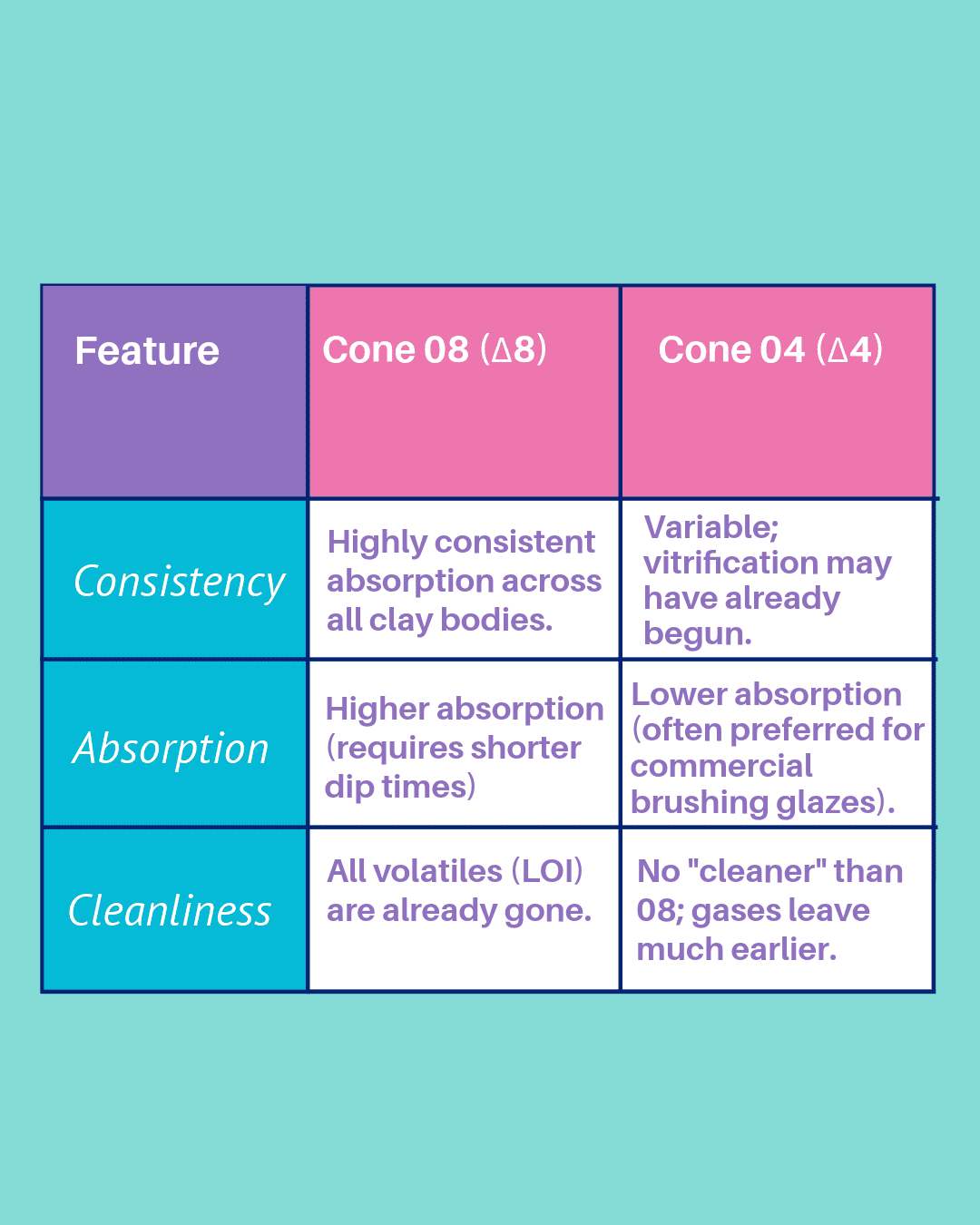
While many commercial studios fire to Cone 04, material scientists often recommend Cone 08 (~1730°F / 943°C).
- Why? At Cone 08, the LOI is complete (the “gunk” is gone), but the clay has not yet begun to vitrify (turn to glass). This leaves the maximum amount of “pore space” available, making your glaze application more predictable and professional every single time.
Bisque firing is the bridge between a fragile dream and a durable reality. It makes your work durable enough to handle, eliminates the risk of “kiln tragedies,” and prepares the surface for those stunning colors we all love.
Next time you load your kiln for a bisque run, remember: you’re not just wasting time—you’re ensuring your art stands the test of time!
Interested in more? Watch CMW’s LIVESTREAM
Matt Katz has not only conducted an in-depth analysis of our commercial clay body profiling data but has gone LIVE on YouTube to discuss his findings and provided comprehensive answers to CMWs audiences clay body questions and even offered practical guidance for troubleshooting common clay flaws.
Watch the live NOW and don’t forget to subscribe so you won’t miss the next one!
Ready to dive deeper?
Loved learning about ceramic glazes? Want to go even deeper? Check out our Workshops & Courses, now available in Spanish, or YouTube Channel where Matt breaks it all down, myth-busting and Stull chart included!