Community Resources
We feel so lucky to get to do what we love every day! And it’s all because of the support of our amazing ceramics community!
Stay up to date with our blog articles, podcast, and newsletters below! Join our mailing list here!
Commercial Ceramic Stain Research
Stop guessing and start choosing stains with confidence. CMW’s newest digital e-book – Stain Spectrum – is a research-driven visual reference library built from two years of rigorous testing by the Ceramic Materials Workshop team. Inside, you will find visual references for 90 ceramic stains, documented within a controlled system to isolate and showcase the true nature and effects of each individual stain.
Each stain is shown through a consistent testing matrix designed for clear, side-by-side comparison. We held the clay body, fit-adjusted base glaze systems, and application method constant—then varied the conditions that actually change color: Cone 6 vs Cone 10, oxidation vs reduction, stain loading from 2.5% to 10%, and thin vs thick application (one dip vs two dips). The result is a practical studio tool for artists, students, and educators who want more predictable outcomes and fewer wasted tests.

Free Courses
Batch, please!
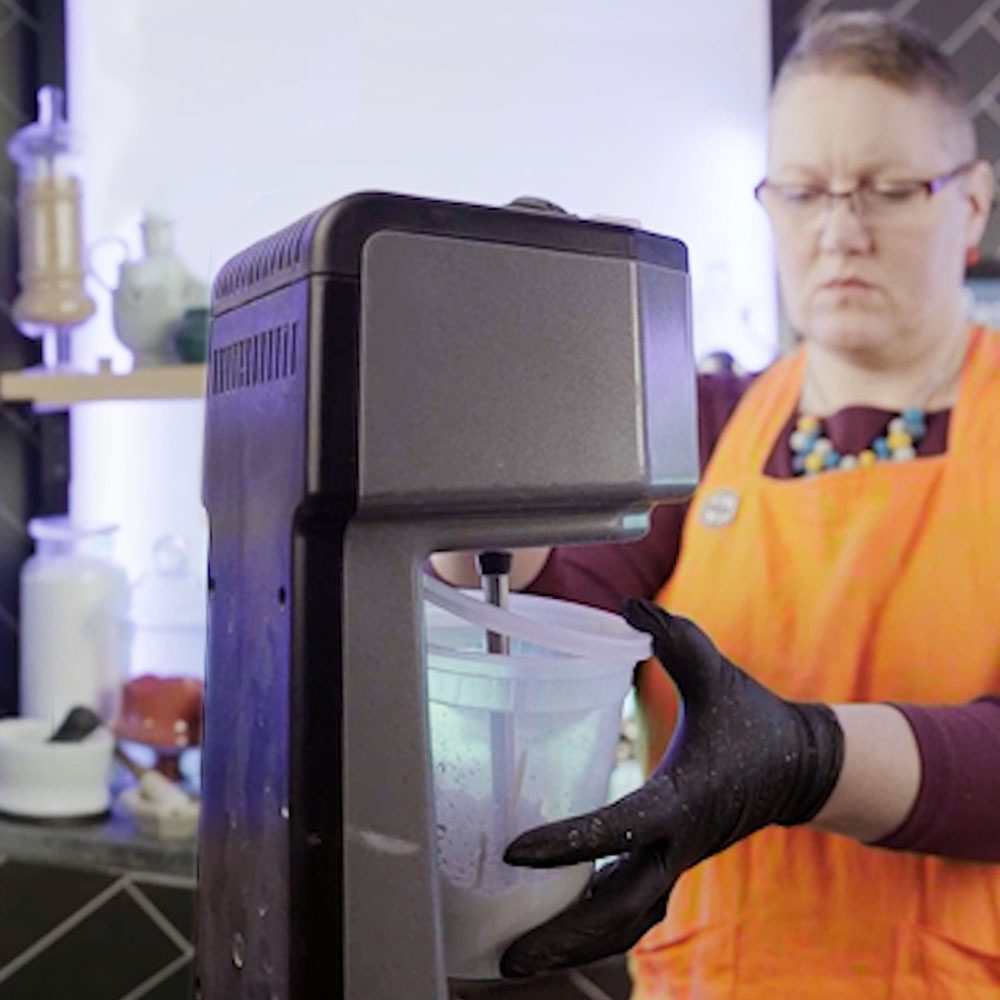
Learn how we mix and batch a glaze!
Self Absorbed
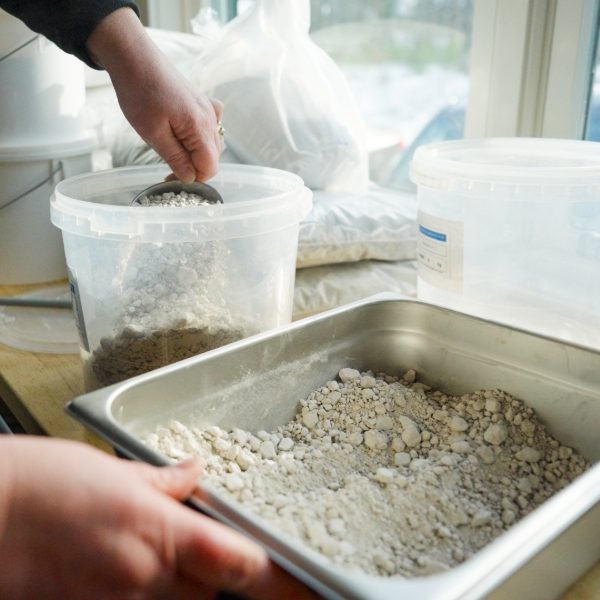
Learn more about clay body absorption and why it’s important.
Glow Up!
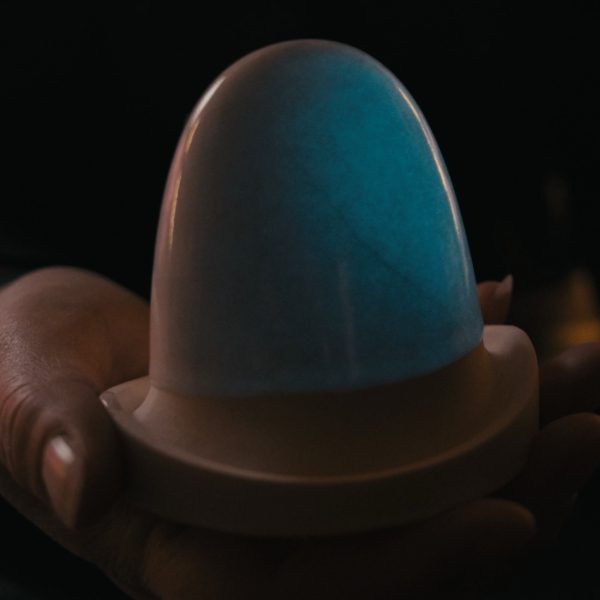
Rose shows you how to make a glow in the dark glaze.
Make a Plaster Slab
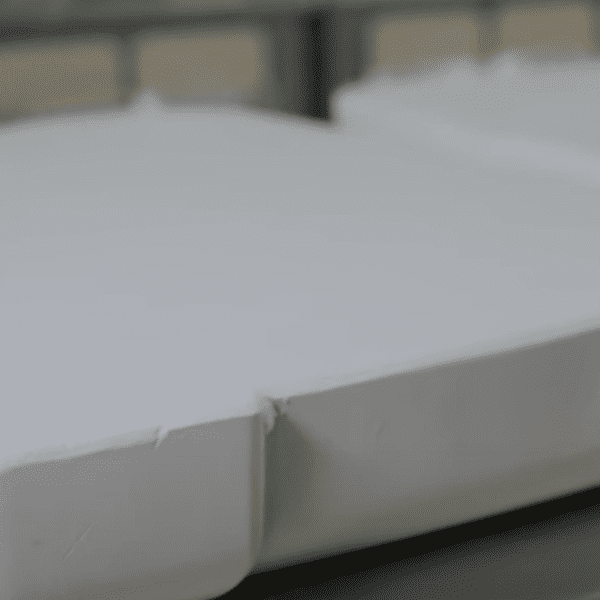
Learn how we make a plaster slab for testing.
CMW UMF Calculators
UMF glaze calculators are designed to assist potters in formulating glazes with specific surfaces and textures in mind. At their core, these calculators utilize the concept of Unity Molecular Formula, which represents the molecular ratios of the materials in the glaze. By inputting the desired materials and their respective proportions, you can generate custom recipes that perfectly align with your artistic vision.
Commercial Clay Body Profile Testing
Over the past several years, the CMW team has collected and tested scores of commercially available clay bodies. The results are meant to help our students understand how these clay bodies perform to make their studios the best that they can be. Click below button to find results of the bodies that have been tested to date. We plan to add additional profiles as we continue to test additional clay bodies.
Free YouTube Course Content
The CMW Blog
Behind the Scenes of What We’re Working on!
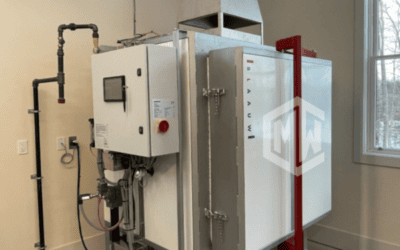
Your Kiln Is Not Just a Hot Box: How Kilns Control Heat Work, Atmosphere, and Glaze Results
A kiln is one of the most important pieces of equipment in a ceramic studio, but it is also one of the easiest to misunderstand. From the outside, it looks simple: a chamber, some heat, a controller, maybe a vent, and a final firing number. Put the work in, fire the...
Crazing in Ceramic Glazes: What Tiny Cracks Tell You About Glaze Fit
Fine cracks in a fired glaze are easy to blame on the kiln. Maybe the cooling was too fast. Maybe the glaze was too thick. Maybe the piece looked fine at first, and the cracks appeared after washing or use. Those details can matter, but often are blaming the symptoms...

Kaolins: The Material Behind the Material
If you spend enough time around ceramics, you'll eventually notice that kaolin seems to show up everywhere. It's in porcelain bodies. It's in stoneware bodies. It's in glaze recipes. It's in slips, engobes, and casting bodies. In fact, it would be difficult to find a...
For Flux Sake Podcast
Listen to Our Latest Podcast Episodes.
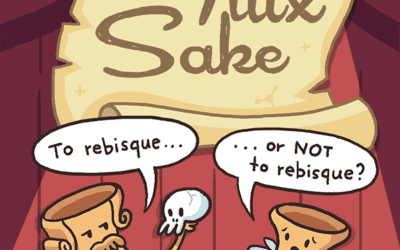
Ep 139 – What happens when I rebisque my pots?
We love when our international friends call in and today we have a great question from Colombia. The gang talk about making vitrified clay with South American ingredients, the logistics of changing firing temperatures, and the effect of rebisquing a pot. CMW has a...
Ep 138 – Does it matter how fast my kiln cools?
We start today’s episode with a trip to Materials Corner to talk about #1 Pottery Plaster. The gang also answer listener questions about converting celsius to fahrenheit and the cooling rates of kilns. Do you want BONUS EPISODES or have questions and need advice on...

Ep 137 – Can there be too much boron in a glaze?
This week’s show starts with a discussion of a recent viral ceramic video and the merits of a potter dipping pots in water immediately after glazing. The gang also answer listener questions about the amount of boron glazes, melting in cone 6 mattes, and a safety...
The Megan Whetstine Memorial Scholarship

CMW Newsletter
Sign up for our Newsletter
Subscribe for announcements, special promotions, and more from the workshop!