For Flux Sake Podcast

CMW’s Matt and Rose Katz join co-host Kathy King to answer your burning questions about clay and glaze in a comical, albeit insightful, way. Check out the latest episodes of For Flux Sake below, or subscribe on your favorite podcast app.

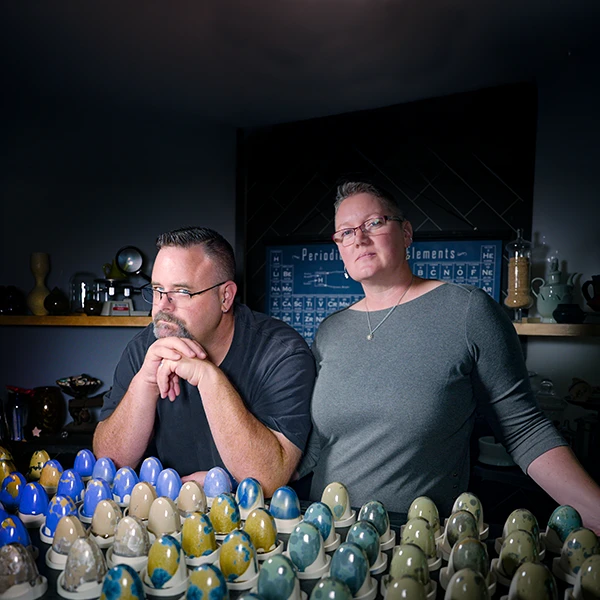
Hi there! We’re Matt and Rose. We started this workshop to provide the ceramics community with a solid understanding of their glazes and clay to make your studios the best that they can be! We co-host a podcast on ceramics and glazing! Check out recent episodes below.
For Flux Sake Podcast Logo
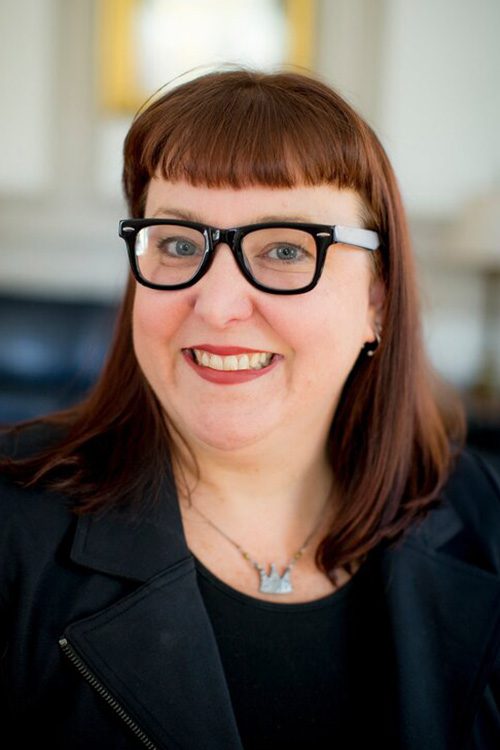
Kathy King Headshot
Matthew Katz Headshot
Rose Katz Headshot

Do you have questions or need advice on glazes?

Record your question and send it to us at ForFluxSakePodcast@gmail.com and you could be featured on an upcoming show.  Make sure to include your name and where you are from!

Keep us Ceramic-ee!

Submit your questions and get them fast tracked while supporting us on Patreon!  Plus get some other great member benefits!

Latest Episode

All Episodes

Show Category Filter
Podcast Categories

Want to Learn More?

Check out some of our other great Community Resources below!

CMW is on YouTube!

Explore the secrets of clay and glazes on our YouTube channel!

Learn More

CMW Memberships

Explore our options, for self-guided, on-demand learning.

Learn More

CMW Blog

Read the latest CMW news and articles.

Explore Blog

Explore our courses!

Not sure where to start? Get help finding your learning path.
Start Learning

Do you fire your kiln fast or slow? And does it really matter? Today the gang answer a few listener questions about the relationship between temperature, glaze melt, and vitrification. They also discuss a class of clays out of the UK that vitrify at low fire temperatures.
Commercial casting slips are great for their convenience, but what do you do when your recipe hard-pans in the bucket? Today the gang talk about why hard-panning happens and how you can fix it. They also discuss making temp checks, the best bisque temp for commercial glazes, and the controversy around the sale of fake ceramic pigments.
Have you ever had small pieces of an unglazed foot ring stick to a kiln shelf? This bummer of a phenomenon is called plucking, and today the gang talk about how and why it happens. They also answer a listener's question about increasing plasticity in halloysite porcelains and take a trip to Materials Corner to discuss the rumors swirling around EPK production.
Halloween is our favorite holiday at For Flux Sake. We can’t get enough of the costumes, candy, and science! Join the gang this week as they answer listener questions about using wild clays in a community studio, washing dirty clay laundry, and the proper way to open a bag of dry ceramic material.
Joining a new community studio can be exciting, but also a little scary. Today the gang talk about how to be a good community member. They also answer listener questions about clay color changes, using tar paper in the studio, and where to start when you get your first potter’s wheel.
Have you ever moved and had to convert your glazes to materials from a different continent? Today the gang talk about how you might do that along with why ‘S’ type thermocouples are the best for accurate firings. They also answer listener questions about upcycling large amounts of casting slip and solutions for handles that keep popping off.
Today’s episode starts with a trip to Materials Corner where the gang talk about the likely end of a favorite Kaolin for soda firing. They also answer listener questions about the logic behind orton cone’s numbering system, the cause of scumming in clay, and the lowest temperature that it's ok to store clay.
To start the show Kathy shares about the research being conducted into vanishing historic lusters at the Harvard Art Museum. The gang also answer listener questions about material supply chains, the cleanliness of reclaimed clay, and why Matt and Rose went solar.
Have you ever wondered why some glazes have a huge firing range? Today the gang talk about this phenomenon, answer listener questions about adding stains to clay bodies, and discuss underglaze application. This episode also starts with a trip to Materials Corner along with a check in from a listener about the porosity of flower pots.
We are back for season 5 of the show with a low-fire themed episode. Today the gang talk about a few parameters that define low fire ceramics, as well as how de-airing pug mills work.
Do you remember the joys of using a kiln sitter? Those mini cones were so cute until you dropped one in the bottom of a fully loaded kiln. Even though manufacturers have shifted to computer controlled models, sitters were a key part of electric kilns for decades.
Today your favorite glaze experts answer a listener's question about judging the melt of an ash glaze, methods for wet mixing bentonite, and whether or not it's safe to use industrial dinnerware made before lead was regulated. They also open the show talking about why you should never crush encapsulated stains.
Have you ever wondered what makes a bronze glaze work? This week on the show the gang answer a listener's question about metallic oxides in glazes, and discuss the finer points of what makes a pinhole a pinhole.
Have you noticed how a tight kiln pack can slightly change your cones? In this week’s episode the gang talk about why this happens, as well as answer a listener's question about firing a balloon inside of a ceramic sculpture.
Have you ever wondered why vinegar is added to joining slip? This week on the show the gang talk about the use of vinegar in the studio and the absorption rates of blending reclaimed clays. They also answer a listener's question about glazing terracotta flower pots.
Join us as Steve shares about his path to harnessing failure to create his beautiful porcelain forms, as well as his time as director of the Archie Bray Foundation and his role in starting the Brickyard Network.
Today we return to the much loved topic of glaze durability on For Flux Sake. Kathy, Matt, and Rose start by talking about the long term durability of Bristol glazes. Then they delve into listener questions about ceramic sealers and substituting for Gerstley Borate in Raku glazes.
Load More

For Flux Sake Seasons

For Flux Sake Sponsors

Interested in sponsoring For Flux Sake?  Email us at forfluxsakepodcast@gmail.com for more info!