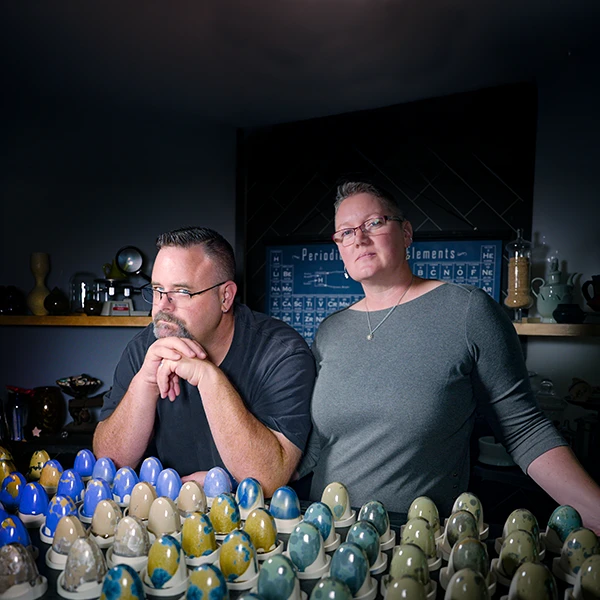
We are back for season 5 of the show with a low-fire themed episode. Today the gang talk about a few parameters that define low fire ceramics, as well as how de-airing pug mills work. They also start the show talking about the brand new For Flux Sake Patreon. This is a great way to show your support and have access to discounted merch, live hangouts, and extra episodes. Head over to Patreon and sign up today.
Do you have questions or need advice on glazes? Drop us a line at ForFluxSakePodcast@gmail.com and you could be featured on an upcoming show.
Today’s episode is brought to you by:
Monkey Stuff (https://monkeystuff.com/)
The Rosenfield Collection (https://www.rosenfieldcollection.com/)
Cornell Studio Supply (https://cornellstudiosupply.com/)
Ceramic Materials Workshop (Making Glaze Make Sense)
Glazing problems? Kiln meltdown?
Send your questions to forfluxsakepodcast@gmail.com – you might hear the answer on the show!
Want to learn more?
Check our our blog articles and all of our videos on our YouTube channel!