At first glance, chrome seems simple.
Chrome makes green.
Done.
Except… not really.
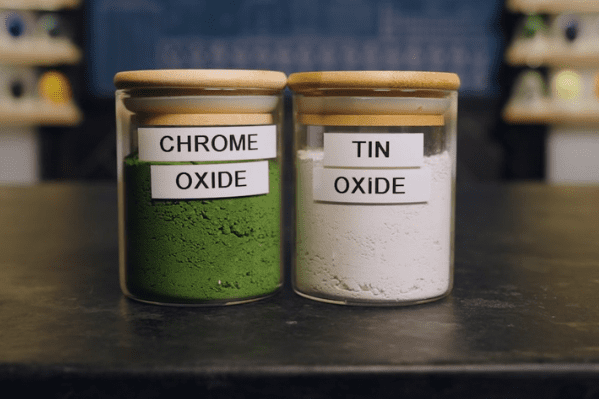
The deeper you go into glaze chemistry, the more chrome reveals itself as one of the most reactive and sensitive colorants in ceramics.
HHmmm I want to know more about colors in ceramics! READ CMW’S BLOG: Stains in Ceramics NOW!
Chrome Fires Green… Usually
In most glossy oxidation glazes, chrome oxide produces a strong, reliable green. Even small amounts can create noticeable color because chrome is highly concentrated.
But chrome is not paint.
Ceramic colorants become part of the glaze chemistry itself. Because chrome integrates into the glass structure, small chemistry changes can dramatically change the final result.
Why Chrome Creates Color
Chrome belongs to the transition metals — the section of the periodic table responsible for most ceramic color.
These metals absorb certain wavelengths of light while reflecting others. With chrome, the reflected wavelengths typically appear green.
So when you see a chrome glaze, you are not just seeing pigment. You are seeing light interacting with metal atoms inside the glaze.
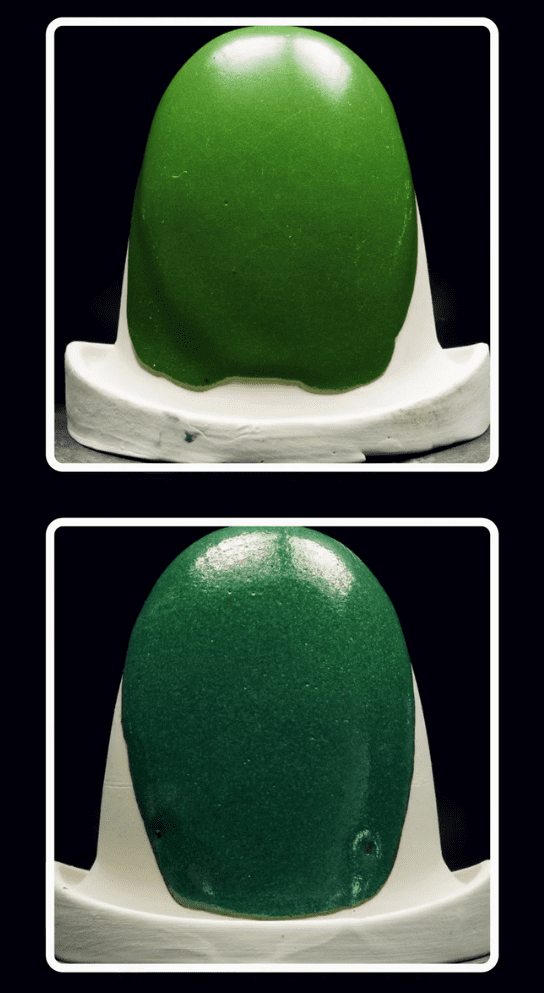
Chrome’s Most Famous Trick: Chrome Tin Reds and Pinks
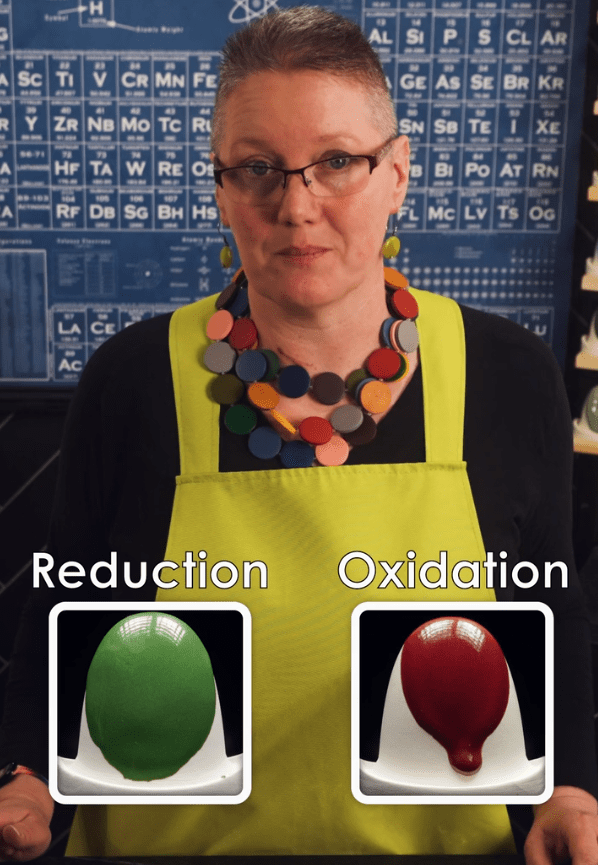
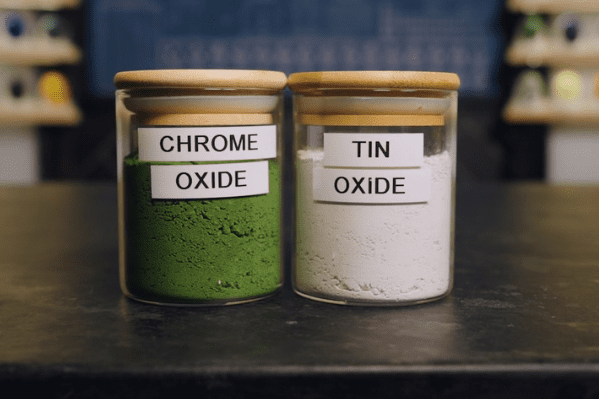
Combine chrome with tin in the right glaze chemistry, and instead of green, you can get reds and pinks — in oxidation firing.
Chrome-tin reds are some of the most sought-after glaze effects because they create warm reds and pinks without reduction firing.
But they come with strict conditions.
What You Need for Chrome Tin Reds to Work
1. Calcium is Non-Negotiable
The glaze must contain calcium as the alkaline earth flux.
Not magnesium.
Not zinc.
Not strontium.
Calcium specifically enables the chrome-tin reaction that creates reds and pinks.
Substituting other alkaline earths usually destroys the color response, shifting the glaze toward muddy pinks, tans, or dull greens.
2. Stay in Oxidation
Chrome-tin reds are oxidation glazes.
Reduction firing pulls the chemistry back toward chrome’s natural green behavior.
If you mainly fire reduction, chrome-tin reds will usually work against you.
READ CMW’S BLOG: Don’t Skip The Swatch! Why Glaze Testing is Your Ceramic SuperPower!
Chrome Changes in Matte Glazes Too
Chrome also behaves differently in matte glazes.
Instead of staying bright green, chrome can shift toward:
- olive
- tan
- muddy brown
- brown-green matte surfaces
The amount of chrome may stay the same, but the glaze structure changes.
As glazes move into matte and crystallizing regions, the way chrome incorporates into the surface changes, which changes how light moves through the glaze.
Same material.
Different structure.
Different result.
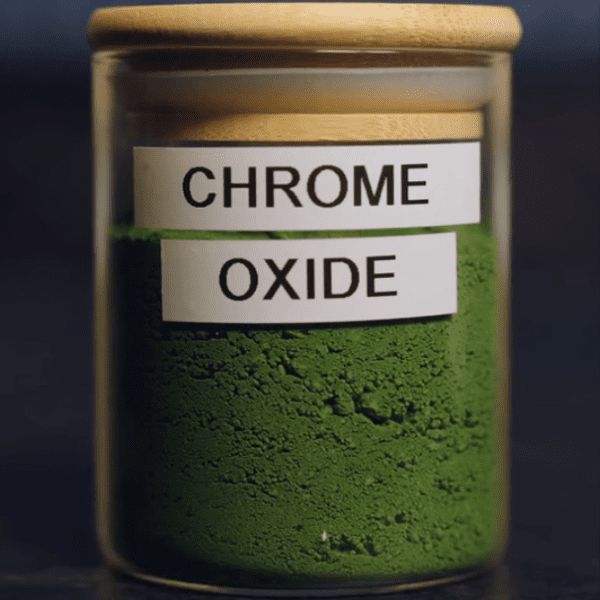
Chrome Is Refractory
Chrome affects how a glaze melts.
Unlike fluxes, which encourage melting and movement, chrome is refractory — meaning it resists melting. Rather than helping a glaze melt and flow, chrome stiffens it. A glaze containing chrome may not melt as smoothly or fully as the same recipe without it — something worth keeping in mind when you’re troubleshooting a matte or underfired surface.
Around 1% is often enough for strong color. Push much beyond that, and the glaze can start becoming difficult to control.
Get them wrong, and it’ll remind you who’s in charge.
Interested in more CMW content? Watch CMW’s LIVESTREAMS on YouTube
On March 25th, we launched Ware to the public at NCECA. Now, we’re sitting down to show you exactly how this platform helps ceramic artists, production potters, and manufacturers get custom results without the guesswork.
Matt went LIVE on the Ceramic Materials Workshop (CMW) YouTube channel to break down the Ware workflow — from choosing your target color to refining your final fired results.
Watch the livestreams NOW and don’t forget to subscribe so you won’t miss the next one!
Ready to dive deeper?
Loved learning about ceramic glazes? Want to go even deeper? Check out our Workshops & Courses, now available in Spanish, or YouTube Channel where Matt breaks it all down, myth-busting and Stull chart included!