Nickel oxide rarely gets the same attention as cobalt or copper.
It doesn’t produce loud blues or dramatic reds. Most of the time, nickel sits in the background making browns, grays, muted greens, and smoky tones.
Which is exactly why a lot of potters underestimate it.
But nickel is one of the more chemistry-sensitive colorants in ceramics. Small changes in glaze composition can push it in completely different directions.
HHmmm I want to know more about other glazes in ceramics! READ CMW’S BLOG SERIES:Everything you need to know about glazes!
Nickel Usually Fires Brown
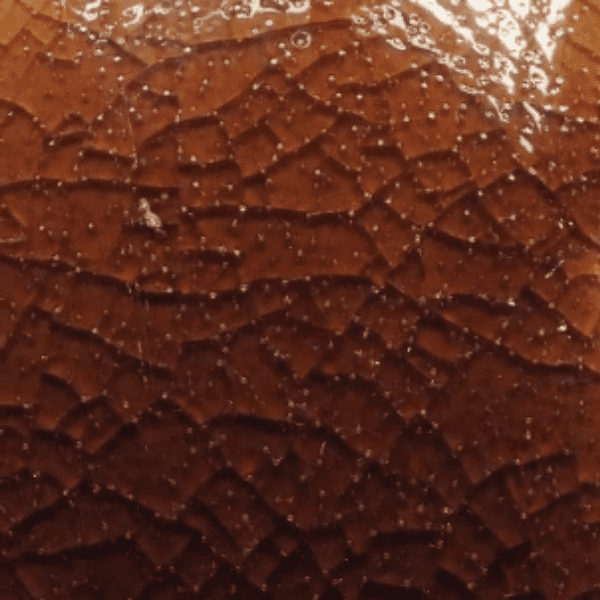
In most glazes, nickel oxide produces earthy browns and muted neutral tones.
At lower percentages, nickel can move toward:
- gray
- taupe
- smoky blue-gray
- muted purple-brown
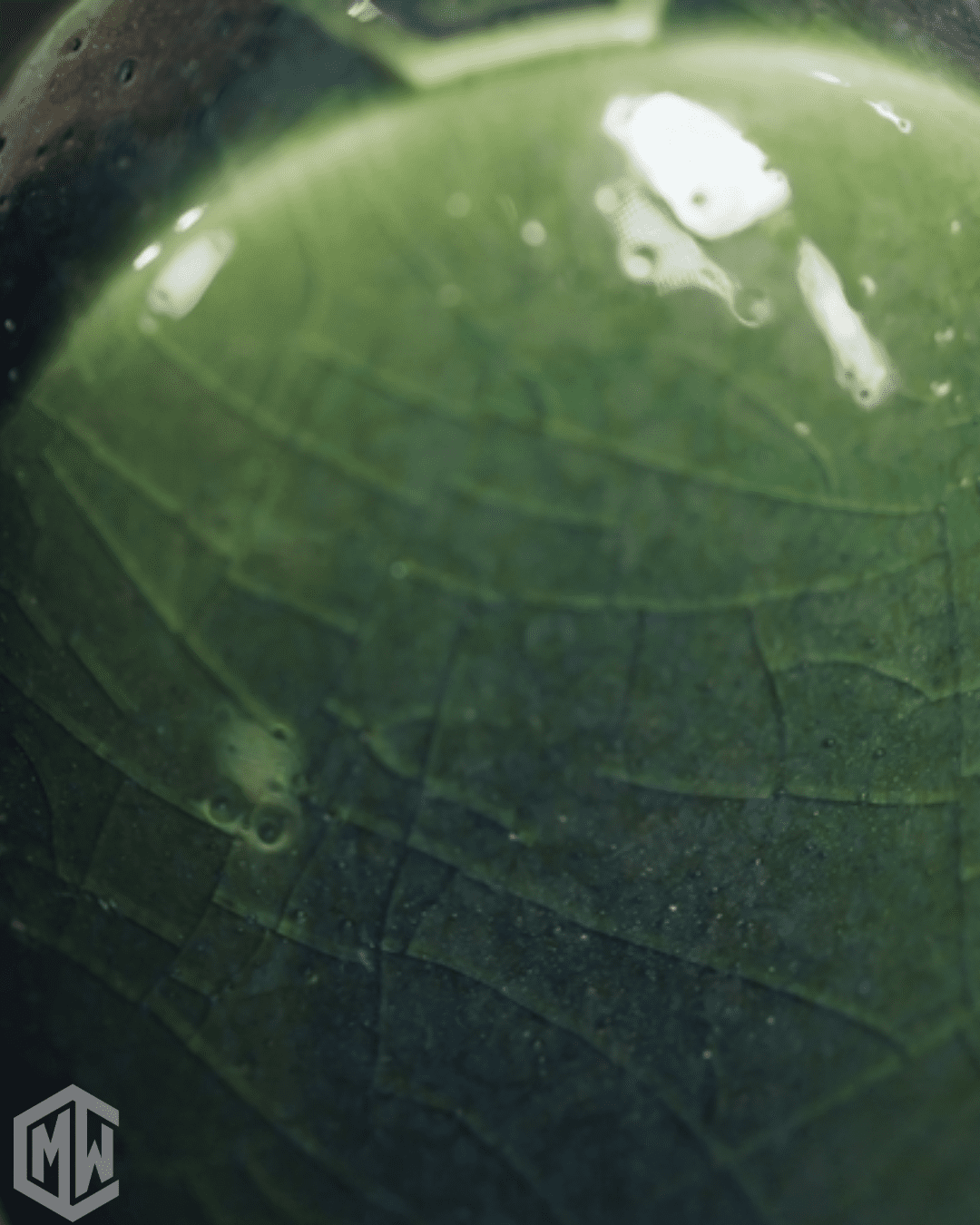
At higher percentages, especially in matte glazes, nickel often shifts toward green.
Nickel is subtle compared to cobalt or chrome, but that subtlety is what makes it useful. It tones colors down instead of overpowering them.


Nickel Is Extremely Sensitive to Glaze Chemistry
Nickel changes character depending on:
- the flux system
- glaze surface
- firing atmosphere
- concentration
- cooling cycle
That sensitivity is why nickel can feel unpredictable.
In glossy glazes, it often stays brown or gray.
In matte glazes, especially when crystallization starts happening, nickel can shift green as crystals begin forming within the glaze surface.
The chemistry may look nearly identical on paper, but surface structure changes how nickel behaves visually.
Nickel and Gray Glazes
Nickel is one of the main tools for making gray glazes in ceramics.
Most ceramic grays are actually combinations of:
- nickel
- cobalt
Nickel softens cobalt’s strong blue and pushes it toward cooler gray tones.

Strontium-based glazes often produce some of the cleaner nickel grays, while magnesium and calcium systems can shift the color warmer or browner.
The important thing to understand is that ceramic gray is rarely a “true” neutral gray. It usually contains blue, brown, or green undertones depending on the chemistry.
Nickel Can Create Purple Tones
One of nickel’s more unusual behaviors appears in barium and strontium glazes.
Under the right conditions, nickel can produce:
- soft lavender
- smoky violet
- muted purple-gray
These colors are difficult to control consistently, but they are one of the few natural oxide routes toward purple in ceramics without relying heavily on stains.
The “Nickel Blue” Misunderstanding
Some crystalline glazes containing nickel develop blue crystals, which leads people to assume nickel is creating the blue color.
Usually, it isn’t.
Nickel materials often contain trace amounts of cobalt, and zinc crystals strongly attract cobalt during crystallization.
That means many so-called “nickel blue” crystal effects are actually cobalt concentrating inside the crystals while the nickel remains in the background glaze.
The result:
- blue crystals
- brown or tan background glaze
It looks dramatic, but the chemistry is more straightforward than people think.

Nickel Is a Structural Colorant
Nickel does more than add color.
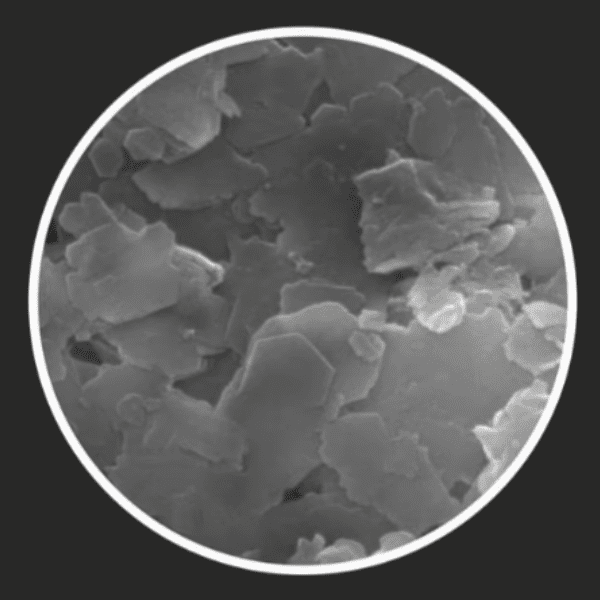
At higher percentages, nickel also affects surface behavior and crystallization within the glaze.
As nickel levels increase:
- matte surfaces become more likely
- crystallization increases
- green crystal development becomes stronger
That means nickel is not simply decorative. It participates in how the glaze develops during cooling.
READ CMW’S BLOG: Don’t Skip The Swatch! Why Glaze Testing is Your Ceramic SuperPower!
Chrome Changes in Matte Glazes Too
Chrome also behaves differently in matte glazes. Instead of staying bright green, chrome can shift toward:
- olive
- tan
- muddy brown
- brown-green matte surfaces
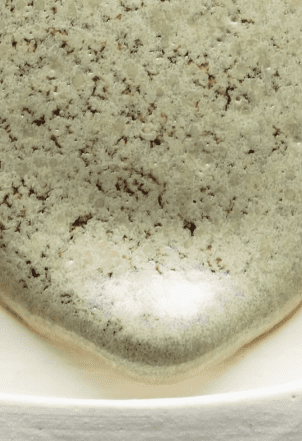
The amount of chrome may stay the same, but the glaze structure changes. As glazes move into matte and crystallizing regions, the way chrome incorporates into the surface changes, which changes how light moves through the glaze.
Same material. Different structure. Different result.
Nickel Rewards Controlled Testing
Nickel is not a colorant that gives instant predictable results.
It responds strongly to:
- glaze chemistry
- cooling cycles
- alkaline earth fluxes
- surface texture
- concentration changes
A small adjustment can completely change the final appearance.
That sensitivity is exactly why many potters either avoid nickel entirely or become obsessed with it.
When controlled carefully, nickel produces some of the most complex and atmospheric surfaces in ceramics:
- smoky grays
- muted browns
- soft purples
- olive greens
- matte transitions
- subtle crystal effects
It is one of the quietest colorants in ceramics — but also one of the deepest.
Interested in more CMW content? Watch CMW’s LIVESTREAMS on YouTube
On March 25th, we launched Ware to the public at NCECA. Now, we’re sitting down to show you exactly how this platform helps ceramic artists, production potters, and manufacturers get custom results without the guesswork.
Matt went LIVE on the Ceramic Materials Workshop (CMW) YouTube channel to break down the Ware workflow — from choosing your target color to refining your final fired results.
Watch the livestreams NOW and don’t forget to subscribe so you won’t miss the next one!
Ready to dive deeper?
Loved learning about ceramic glazes? Want to go even deeper? Check out our Workshops & Courses, now available in Spanish, or YouTube Channel where Matt breaks it all down, myth-busting and Stull chart included!