Meet Boron: The Easiest Way to Make “Wrong-Cone” Glazes Work
You find a glaze online, fall in love, and then—ugh—it’s written for a hotter cone than your kiln can reach. That’s not a dead end; it’s an invitation. You don’t need a new kiln or a degree in materials science. You just need to understand one friendly idea:
Boron helps a glaze finish at a lower cone without changing its personality.
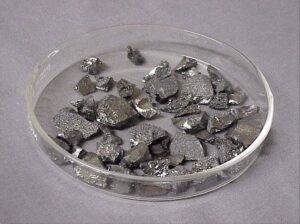
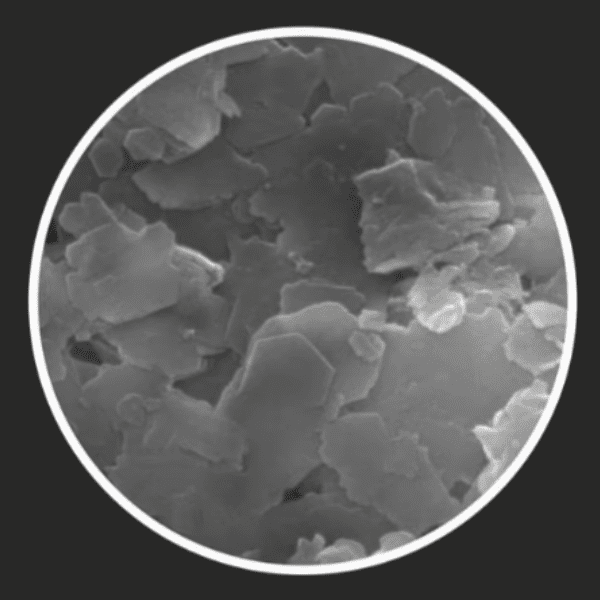
(Image is owned by Wikipedia)
Think of boron as the translator between temperature “languages.” Used well, it lets a glaze reach the same level of maturity at a lower cone that it would have hit at a higher one. The color and surface you loved? Still the goal. We’re not trying to make a different glaze—we’re helping the same glaze arrive at your temperature.
First, Let’s Talk Cones
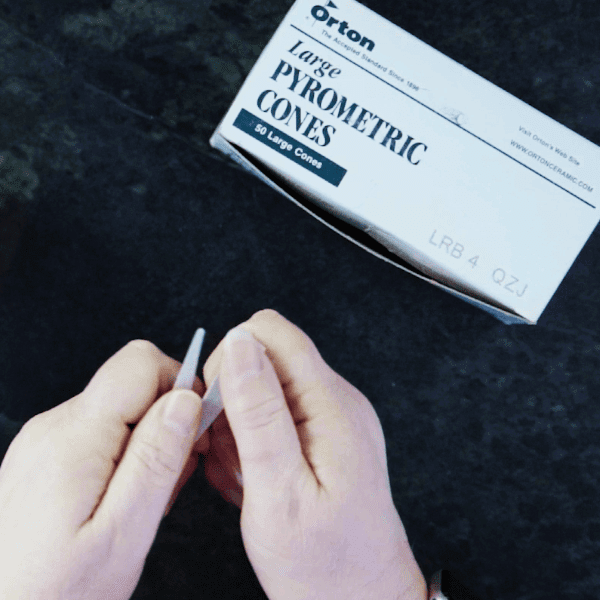
In the world of ceramics, cones are our thermometers. They are little ceramic pyramids that bend and melt at specific temperatures inside the kiln.
- Cone 10 is the hot-shot, high-roller of the kiln world, reaching a scorching 2350°F (1285°C).
- Cone 6 is the cool, reliable mid-range worker, clocking in around 2232°F (1222°C).
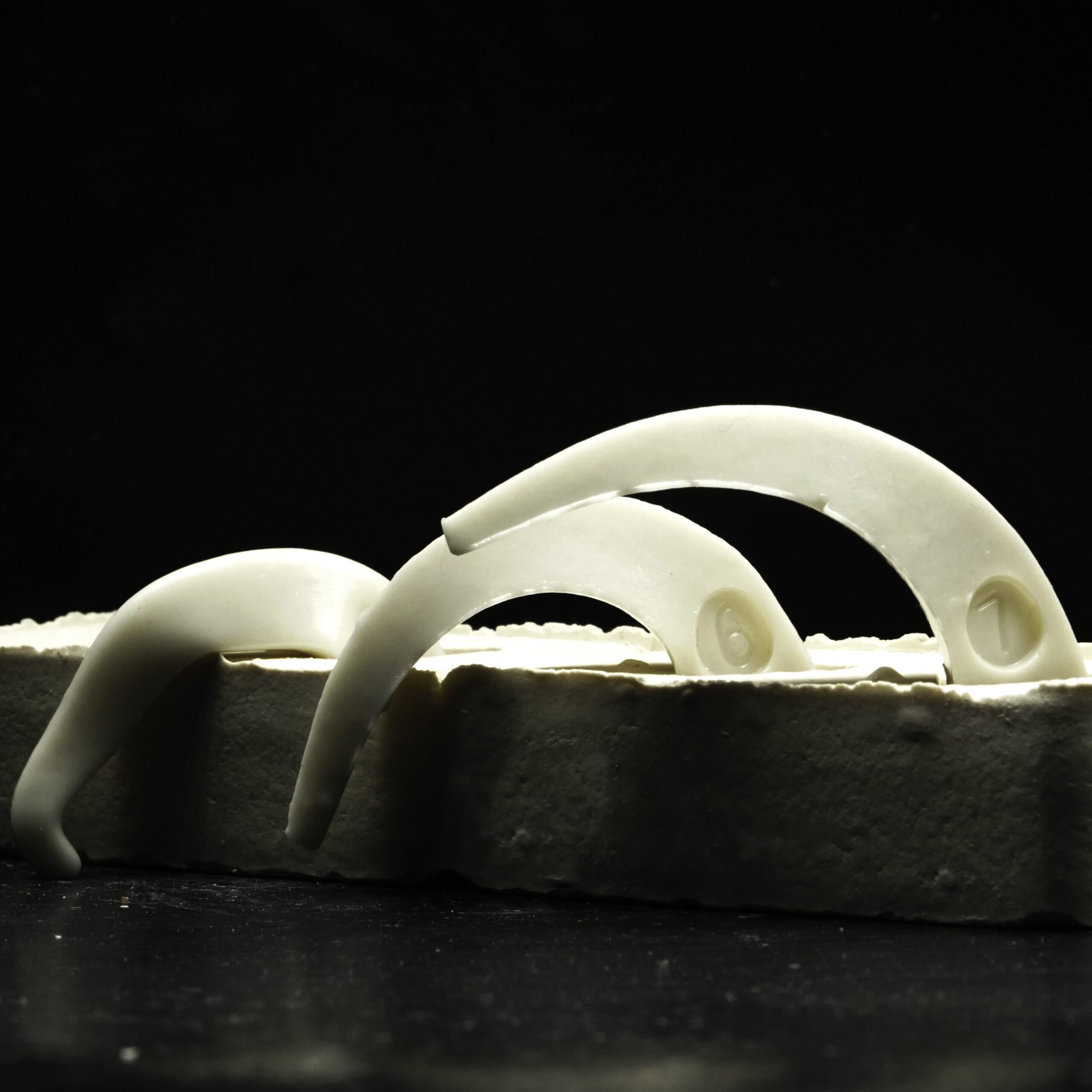
Firing to Cone 6 is easier for many kilns to achieve, as they are not built to hit Cone 10.. So, adapting a glaze from the scorching heights of Cone 10 down to the more chill vibe of Cone 6 is always sought after? Because we want all the pretty glazes without all the heat!
Wait wait wait, I don’t under the Ceramic Cone bend! Don’t worry! Read CMW’s Blog: Ceramic Cones: Understanding the Perfect Cone Bend
The Glaze Chemistry Breakdown: What’s the Problem?
The reason a Cone 10 glaze won’t work at Cone 6 is all about the fluxes. These are the chemical ingredients that act like a glaze’s internal furnace, helping it melt and flow into a smooth, glossy surface.
A Cone 10 glaze is built with fluxes that only wake up and get to work at super high temperatures. At Cone 6, they’re basically still snoozing. Try to fire a high-fire glaze at a mid-fire temperature, and you’ll end up with a dry, chalky, or just plain weird surface. It’s like trying to bake a cake at 100°F—it’s just not going to happen.
How Boron Fits into the Picture
Boron is a glass former, meaning it helps create the glassy network that makes up a glaze. When used in the right amount, it lowers the melting point of the glaze, allowing it to finish at a lower cone. This means you can:
- Keep the glaze’s unique character: The look you originally fell for stays intact.
- Intentionally set the boron: This isn’t guesswork; you’re adding a specific amount for your target cone.
- Verify your results: Use witness cones to confirm that your kiln delivered the finish you wanted.
That’s the whole trick… Seriously.
Where to Get Boron
Today, most potters use boron frits. These are reliable, consistent, and easy to use, which is exactly what you want when you’re learning or working in a production setting. In the past, many potters used Gerstley Borate. While it can work, it’s known for being notoriously variable. If you have a recipe that calls for Gerstley Borate, you can translate it into a modern, frit-based one for the same look with better consistency.
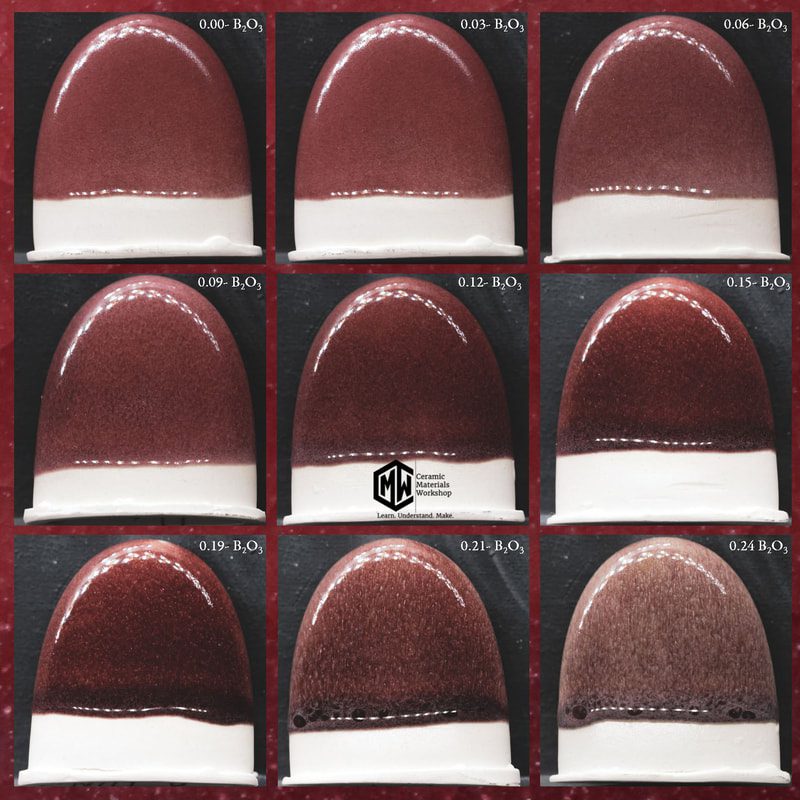
How Much Boron Do You Need?
The simple answer is: just enough to finish at your cone—no more, no less. You don’t have to guess. The most reliable way to figure it out is to use a simple glaze chemistry calculation. By keeping the glaze’s overall balance, or “vibe,” and calculating the boron needed using a unity formula and a boron map, you can confidently get the right amount. Then, you can double-check your work with witness cones.
A simple plan you can follow
- Keep the vibe. Your goal is the same surface and color—not a new glaze.
- Add boron deliberately. You’re not making it runny—you’re giving it the “temperature credit” it needs at your cone.
- Test smart. Small tiles, side by side, with witness cones. If the test is a hair off, make tiny, single-direction tweaks and re-fire.
I’m just a beginner, I don’t understand Boron! Read CMW’s Blog: Getting Boron Levels Right NOW!
Common Pitfalls (and How to Avoid Them)
❓ Pitfall: “I’ll just fire my cone 10 glaze to cone 6 and hope it works.”
🤓 Better: Add boron so the glaze will actually finish at cone 6.
❓ Pitfall: Making random guesses like “more silica” or “more flux.”
🤓 Better: Keep the glaze’s character intact, intentionally set the boron, and then test.
❓ Pitfall: Changing multiple things at once.
🤓 Better: Make one small change at a time, then assess the results. This will get you to your goal much faster.

This is exactly what we teach in our online classes: a simple, repeatable way to adapt glazes across cones, set boron with confidence (we show you the calculation), and troubleshoot with tiny, targeted tests. If you can read a witness cone and make a tea, you can do this.
Bring a glaze you love. We’ll help you make it love your cone.
A word of caution: It’s a bad idea to simply fire a Cone 10 glaze on a Cone 6 clay body without any recipe adjustments. The glaze will be under-fired and not durable, and you risk over-firing the clay body if you go hotter, which can melt and ruin your pottery and even the kiln shelves.
So, go ahead! Don’t let that perfect glaze recipe be a pipe dream. With a little bit of mad science and some clever adapting, you can have all the stunning glazes you want, without breaking a sweat (or the bank).
Want More?
For Flux Sake ep. 105: Can you adjust a cone 6 glaze up to cone 10? is hosted by Matt and Rose Katz of the Ceramics Materials Workshop along with Kathy King of the Harvard Ceramics Program. Together they answer your burning questions about clay and glaze. In each episode they answer listener submitted questions in a comical, but also insightful way. This show will have you laughing and learning about glaze chemistry the chemistry behind ceramics in no time. New episodes typically drop every 2 weeks.
This episode the gang talk about adjusting glazes from cone 6 up to cone 10, and how you might tell if your kiln can handle going to cone 10.
Ready to dive deeper?
Loved learning about ceramic glazes? Want to go even deeper? Check out our Workshops & Courses, now available in Spanish, or YouTube Channel where Matt breaks it all down, myth-busting and Stull chart included!