Manganese is one of those glaze materials that can be easy to confuse by name but hard to replace in practice. It is not magnesium. Magnesium and manganese are completely different materials, and they play very different roles in glaze chemistry.
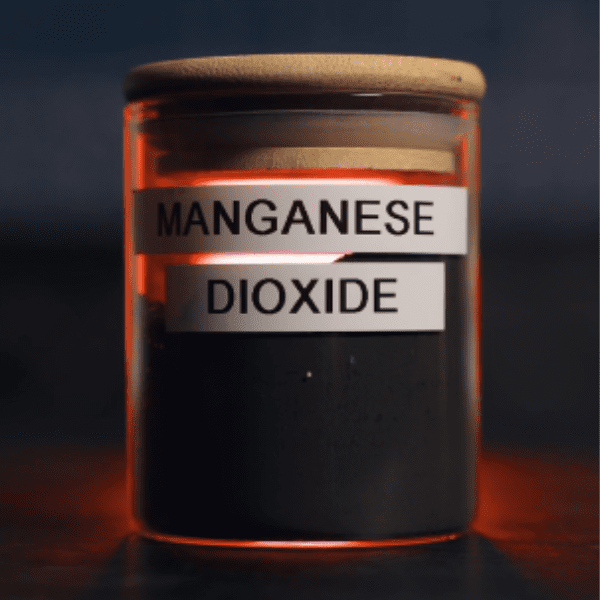
In the studio, manganese most often shows up as manganese dioxide, though manganese carbonate is also used. These materials begin differently in the bucket, but during firing they convert into manganese oxide and perform a similar role in the fired glaze.
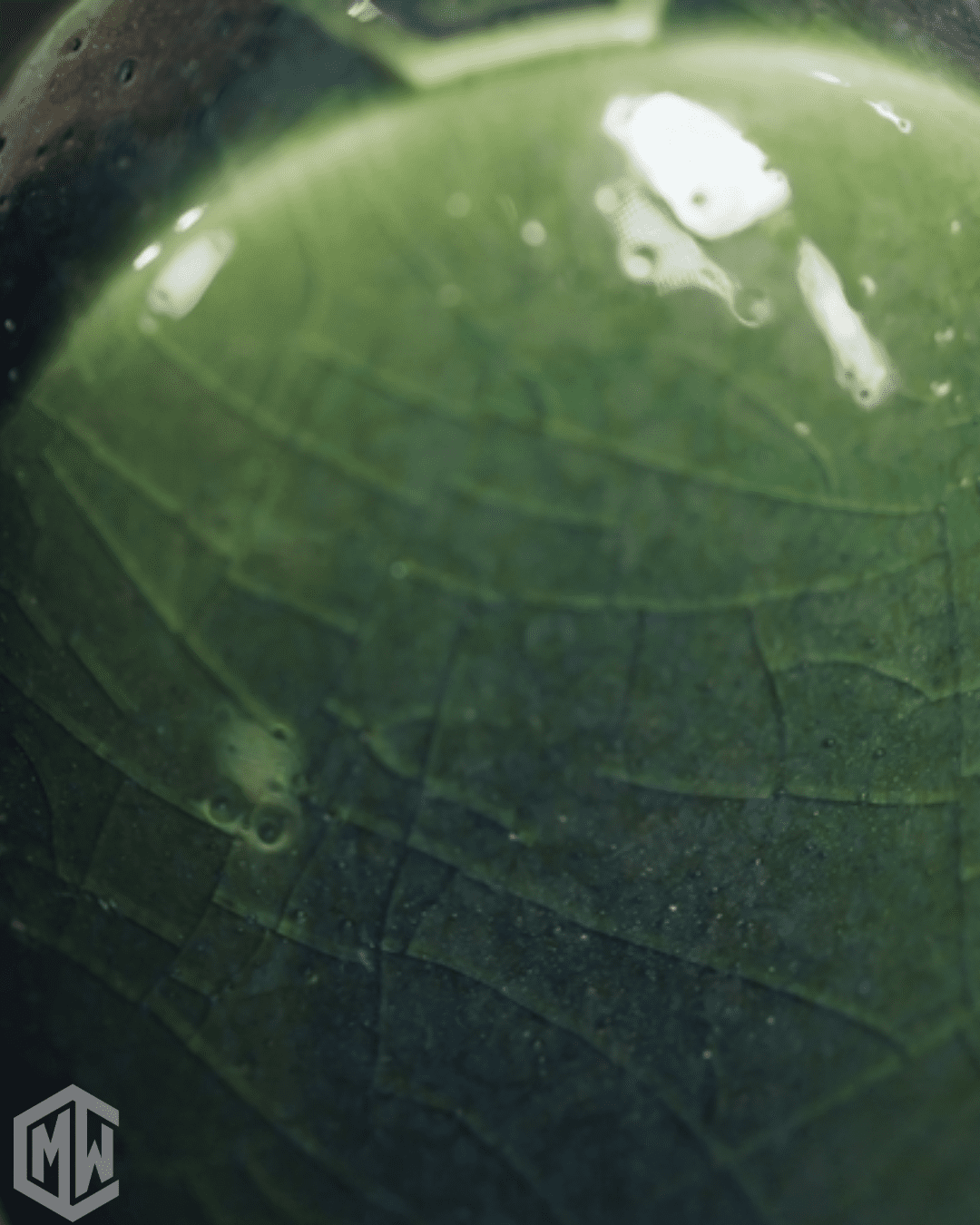
Manganese is primarily a colorant, but it is not a simple one-note colorant. It is best known for warm browns, dusty rose-browns, purple-browns, dark matte surfaces, and bronze-like effects.
HHmmm I want to know more about other glazes in ceramics! READ CMW’S BLOG SERIES:Everything you need to know about glazes!
Manganese Usually Fires Warm Brown
Most manganese glazes sit somewhere in the brown family. What makes manganese useful is the quality of that brown.
Iron often pushes brown toward a yellow-brown or rust-brown direction. Manganese can create a warmer, dustier brown with a subtle rosy undertone. That makes it useful when you want a brown that feels less golden and more muted, smoky, or earthy.
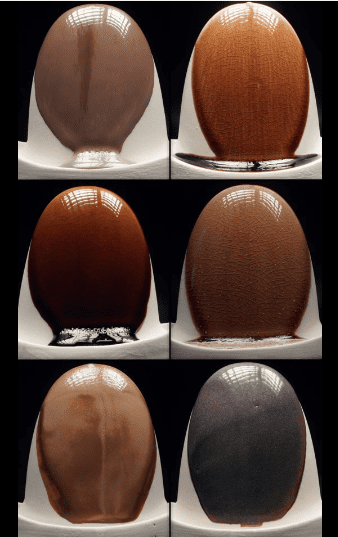
Depending on the glaze base and firing conditions, manganese can move through a range of tones:
- dusty rose-brown
- warm brown
- dark brown
- purple-brown
- black-brown
- bronze-like surfaces
The base glaze matters. Manganese does not create the exact same color everywhere. The glaze underneath controls how that color appears.
Purple Is Possible, But Not Automatic
Manganese has a reputation for moving toward purple, but that idea needs some caution.
Manganese does not simply equal purple.
Purple tones happen when manganese is paired with the right glaze chemistry. The fluxes, surface quality, concentration, and firing all influence whether manganese stays brown, warms into rose-brown, darkens, or shifts toward purple.
That is why one manganese glaze may look like a dusty plum-brown while another looks like a plain warm brown.
The difference is not just the manganese. It is the whole glaze system.
Manganese Can Affect the Melt
Manganese is often used in higher percentages than stronger colorants like cobalt or chrome.
At low levels, it may only tint or warm a glaze.
At higher levels, it becomes more involved in the melt itself.
This is where manganese becomes especially important. In larger amounts, manganese can behave like a flux, meaning it can influence how the glaze melts and develops during firing.
That can change the final surface. A glaze with a significant manganese addition may not behave like the original base glaze anymore. It may become darker, softer, more satin, more matte, or more surface-active depending on the rest of the chemistry.
This is why manganese should not always be treated as “just color.” In some glazes, it becomes part of the structure of the fired surface.
Manganese and Matte Surfaces
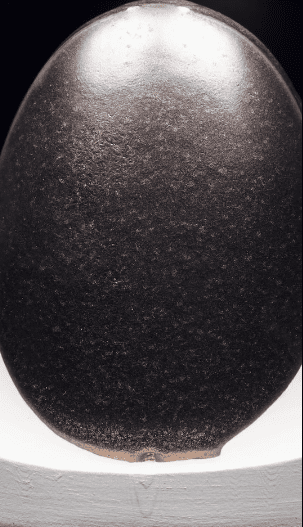
Manganese can be especially interesting in satin and matte glazes. When the base glaze is already close to matte behavior, manganese can help push the surface toward darker, richer effects.
Instead of a flat brown, the glaze may develop more depth: a dry bronze surface, a dark satin brown, a purple-brown tone, or a metallic-looking finish.
These are not just color changes. They are surface changes. The way the glaze reflects light is part of the effect.
Fake Bronze Glazes
One of manganese’s best-known effects is the fake bronze glaze.
These surfaces can look metallic, but they are not actually metal. They are still glazes. The bronze-like appearance comes from the interaction between glass, surface structure, and light. The surface reflects in a way that reads as metallic or bronzy.
Manganese is often a major player in these recipes. At high levels, it is not simply tinting the glaze. It is helping define the fired surface.
That is why fake bronze glazes are better understood as chemistry-driven surfaces, not just brown glazes with extra colorant.
Final Thoughts
Manganese dioxide is best understood as a warm, earthy colorant with a wide range of surface potential.
Its most direct color is dusty rose-brown, but it can move toward purple-brown, black-brown, dark matte surfaces, and bronze-like effects depending on the glaze chemistry.
At low levels, manganese can shift the color. At higher levels, it can change the way the glaze melts and develops.
That is what makes manganese useful: it does not just color the glaze. It can help shape the surface itself.
Interested in more CMW content? Watch CMW’s LIVESTREAMS on YouTube
On March 25th, we launched Ware to the public at NCECA. Now, we’re sitting down to show you exactly how this platform helps ceramic artists, production potters, and manufacturers get custom results without the guesswork.
Matt went LIVE on the Ceramic Materials Workshop (CMW) YouTube channel to break down the Ware workflow — from choosing your target color to refining your final fired results.
Watch the livestreams NOW and don’t forget to subscribe so you won’t miss the next one!
Ready to dive deeper?
Loved learning about ceramic glazes? Want to go even deeper? Check out our Workshops & Courses, now available in Spanish, or YouTube Channel where Matt breaks it all down, myth-busting and Stull chart included!