In the intricate world of ceramics, achieving the perfect texture, consistency, and chemical reactivity of materials is paramount. This is where the humble yet powerful ball mill plays a crucial role.
More than just a grinder, a ball mill is an indispensable tool for ceramic artists and industrial manufacturers alike, facilitating the transformation of raw materials into the fine powders and smooth slurries essential for high-quality ceramic products.
What is a Ball Mill?
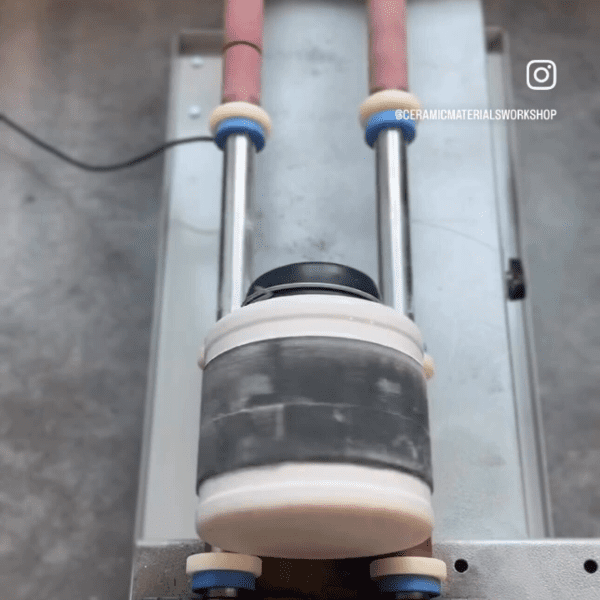
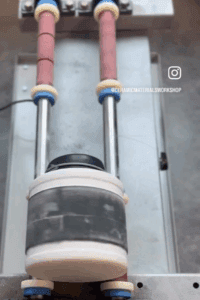
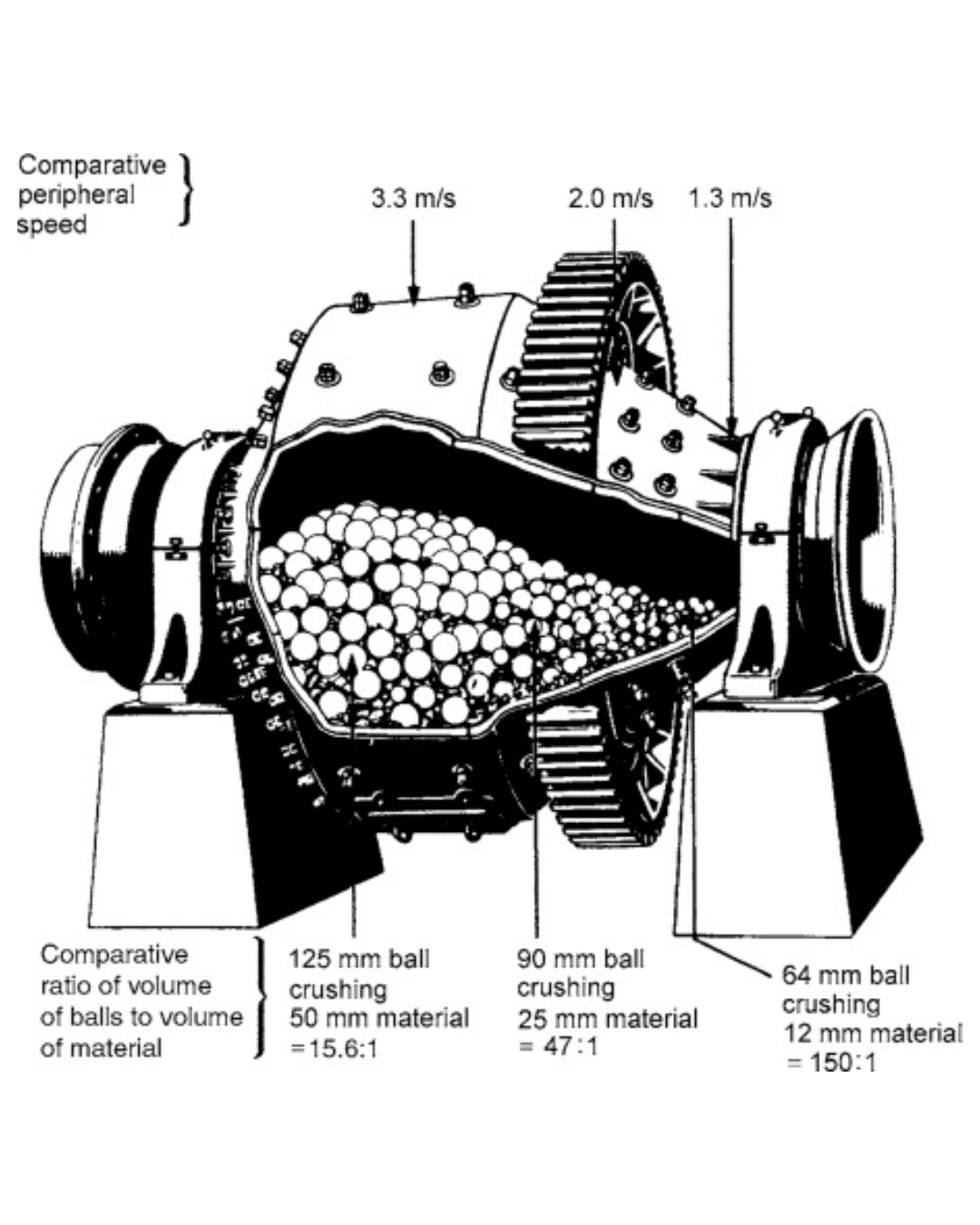
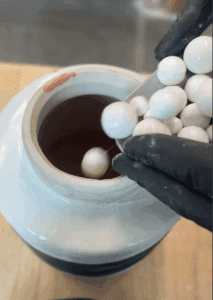
At its core, a ball mill is a ceramic jar that rotates. Partially filled with the material to be ground and grinding media (typically balls), it harnesses the power of impact and friction to reduce particle size, mix, and homogenize various ceramic components. These grinding balls, made from materials like alumina, zirconial, are lifted as the mill rotates and then cascade down, crushing the material beneath them. This process can be performed wet or dry, depending on the desired outcome and the material’s properties.
The Indispensable Role of Ball Mills in Ceramics
Ball mills are vital in ceramic production for several key reasons:
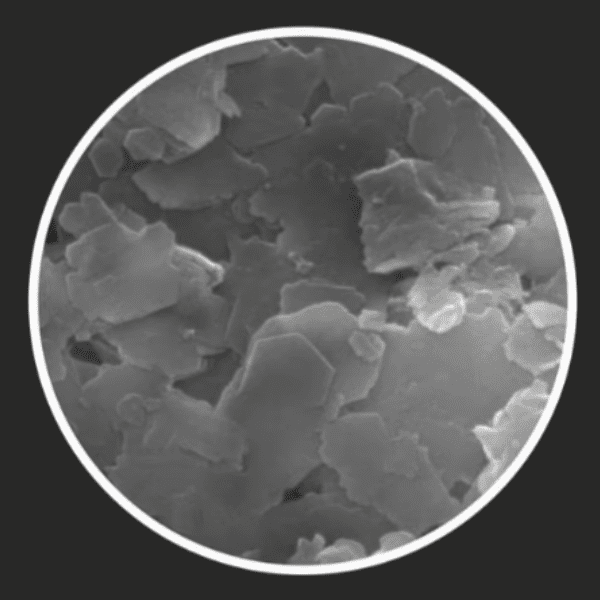
- Particle Size Reduction: Raw materials such as clays, flint, whiting and feldspars, ingredients must often be reduced to an incredibly fine powder. Ball mills achieve this by breaking down larger particles, ensuring uniformity and enhancing the material’s reactivity, which is critical for consistent firing results and vibrant glazes.
- Mixing and Homogenization: Beyond just grinding, ball mills excel at blending multiple materials. This ensures a homogeneous mixture, particularly for complex glaze recipes where every component needs to be evenly dispersed for optimal performance and aesthetic appeal.
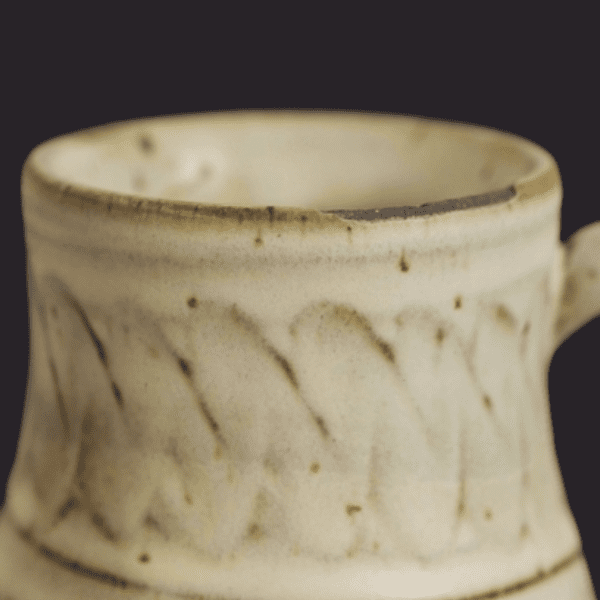
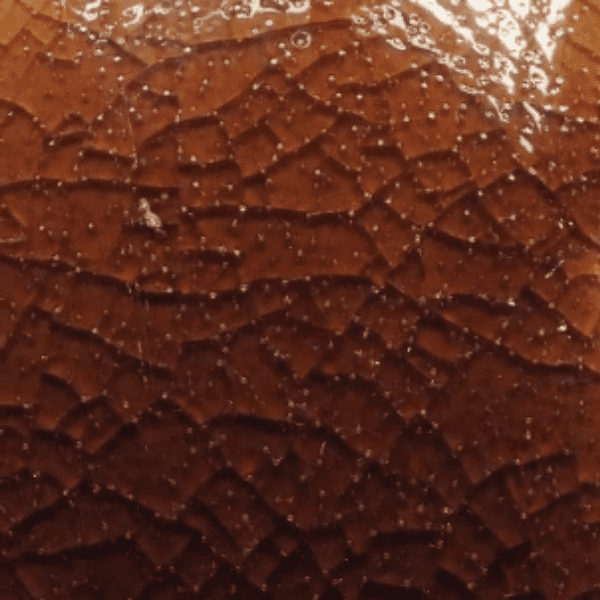
- Improved Material Properties: For glazes, fine milling leads to smoother applications and fewer defects like specks, blistering, or pinholes after firing, contributing to a cleaner, more professional finish. It also aids in the proper dissolution of materials within the glaze mixture.
A Glimpse into History: The Origin of the Ball Mill
While the modern ball mill is a testament to industrial innovation, the fundamental concept of grinding with loose media has ancient roots. The idea derives from early grinding tools such as the mortar and pestle, used by prehistoric humans to pound grains and nuts.
Traditional ball mills, in a more recognizable form, are reported to have existed for over a thousand years. Early examples can be traced back to Germany, where forest and mountain farmers utilized rudimentary ball mills to produce marbles. The knowledge for constructing and operating these early mills was often passed down orally within families.
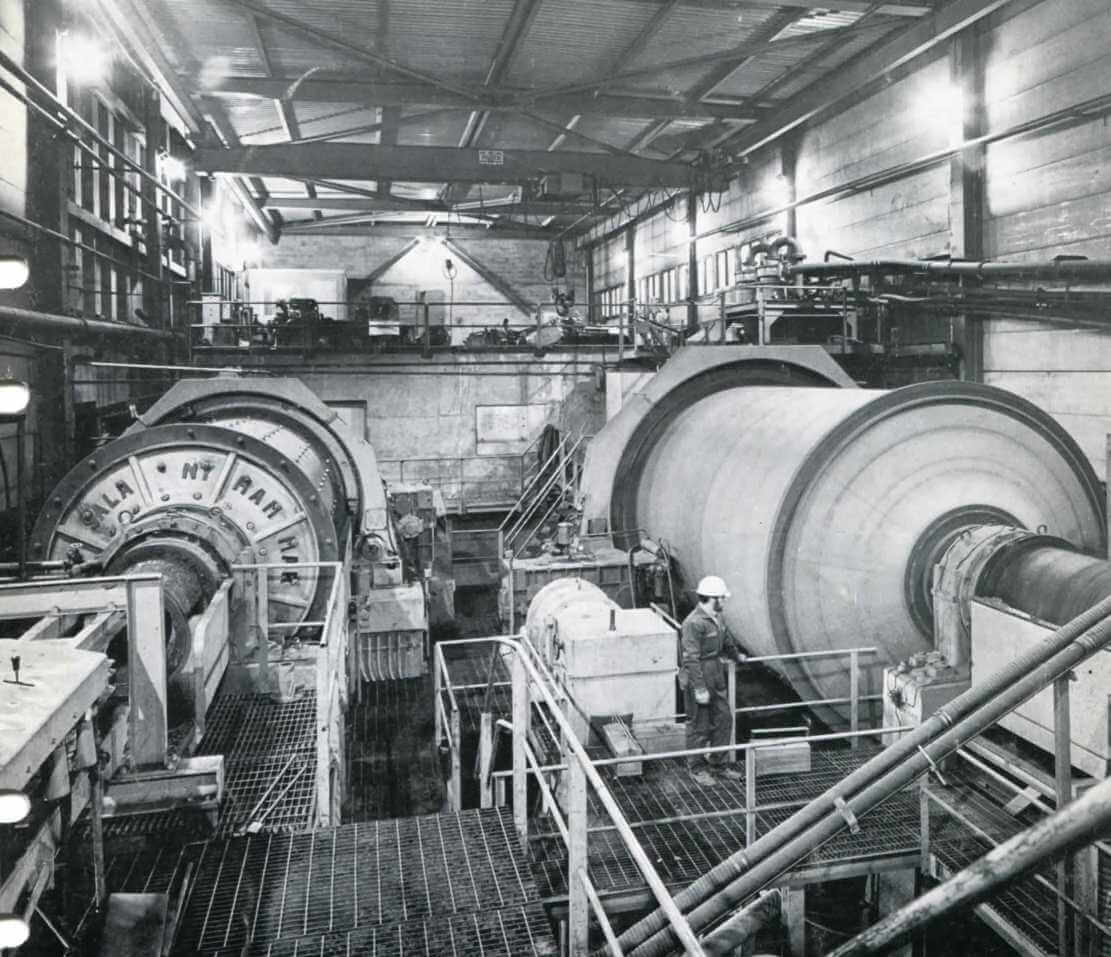
(Image owned by 911Metallurgist)
The significant leap towards the modern mechanical ball mill occurred during the Industrial Revolution. With the advent of steam power and advancements in mechanical engineering, more efficient and larger-scale grinding equipment became feasible. Reports indicate that ball mills were being used for grinding flint for pottery as early as 1870. This period marked the transition from manual or water-powered grinding to mechanized systems capable of handling industrial demands.
Later innovations led to more specialized designs, such as the planetary ball mill, which began to see widespread use in the mid-20th century. These advancements have solidified the ball mill’s place as a critical piece of equipment in countless industries, including ceramics, mining, pharmaceuticals, and metallurgy.
Conclusion
From its ancient origins as a simple tool for making marbles to its sophisticated modern forms, the ball mill has continuously evolved to meet the demands of various industries. In ceramics, it remains an indispensable technology, enabling precise control over material properties and contributing significantly to the quality and consistency of the final product. The ongoing development of ball milling technology ensures its continued relevance in shaping the future of ceramic production.
Ready to dive deeper?
Loved learning about ceramic glazes? Want to go even deeper? Check out our Workshops & Courses, now available in Spanish, or YouTube Channel where Matt breaks it all down, myth-busting and Stull chart included!