Getting that perfect, glassy finish is the goal for many potters, but how do you know when a glaze is genuinely “fully melted”? It’s more than just a feeling; there are distinct visual cues and scientific principles at play.
Let’s dive into the fascinating world of glaze firing and uncover the secrets to identifying a perfectly melted glaze.
The Transformation: From Powder to Perfection
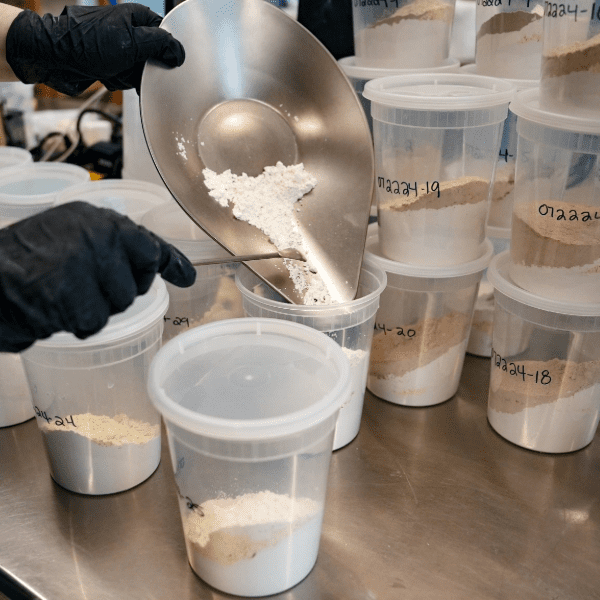
Before firing, glaze is a dull, powdery layer, often resembling nothing more than colored dust on your ceramic form. The magic happens in the kiln, where intense heat triggers a remarkable transformation. As the temperature rises, the raw glaze materials melt into a, glass that coats the ceramic surface.
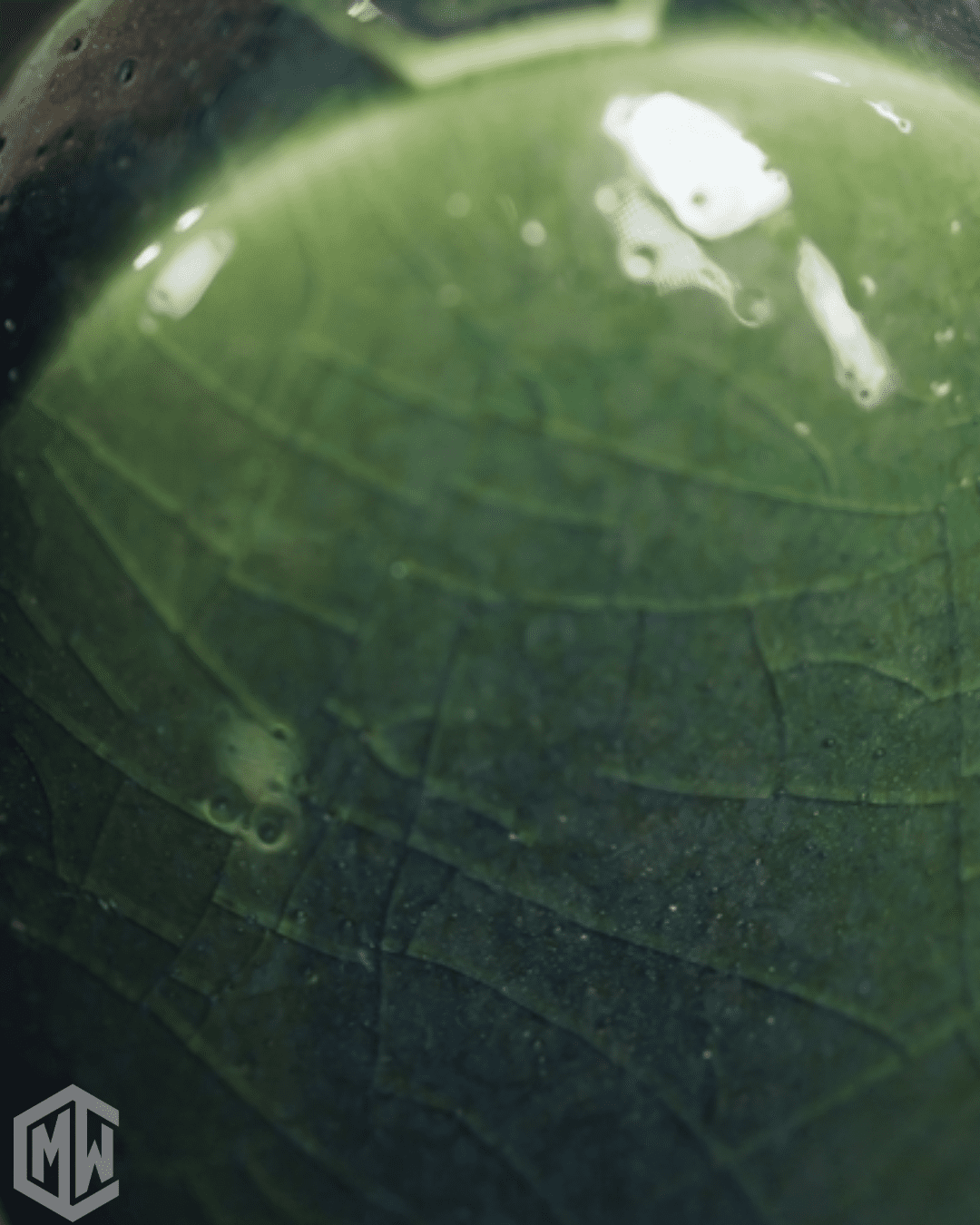
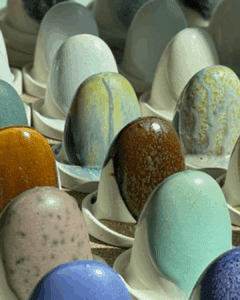
A truly successful melt results in a thin, continuous, and glassy coating that enhances both the aesthetics and durability of your pottery. One of the most important things to know about glazes for function, is that they should melt, completely. So if you see evidence that something in the glaze didn’t melt, that’s a problem.

Key Indicators: What to Look For
So, what are the tell-tale signs that your glaze has reached its full melting potential?
- Smoothness is Paramount: The most obvious sign of a well-melted glaze is its smooth, even surface. Run your finger over it (once it’s cool, of course!). It should feel like glass, without any bumps, gritty texture, or undissolved particles. If you notice a rough, sand-like texture, or if it feels like there are tiny “rocks stuck to it,” it’s a strong indicator of under-firing.
- The Absence of “Snakes”: Sometimes, if a glaze isn’t fully melted or if the raw materials weren’t mixed thoroughly, you might see what some potters humorously refer to as “snakes” or other raw material streaks. These are visual proof that certain components of the glaze haven’t fully integrated into the melt. A fully melted glaze will be homogenous in its appearance (unless, of course, a variegated effect is intended!).
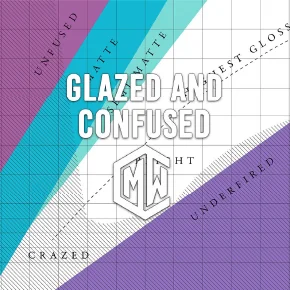
- Visual Consistency and Predictability: Advanced potters often use glaze chemistry tools like a Unity Molecular Formula (UMF) calculator or a Stull map to predict how a glaze should look when fully fired. While natural variations can occur (especially with unique ingredients like ash in an ash glaze), the melted glaze’s appearance should generally align with these predictions. If it looks drastically different than expected – perhaps too matte when it should be glossy, or vice versa – it might indicate it didn’t reach its optimal melt.
- Fluidity and (Controlled) Running: As glazes melt, they become fluid. This fluidity can lead to a slight “running” or movement of the glaze due to gravity, especially if applied thickly or fired to the hotter end of its range. While excessive running (which can stick your piece to the kiln shelf!) is a sign of over-firing, a subtle movement can be an indicator of a complete melt.
Beginner with a kiln? Read CMW’s blog article: Kiln-dergarten: A Beginners Guide to Firing
Understanding the “Why”

Remember, glazes don’t melt at a single, precise temperature point; they melt over a range. Their specific melt behavior is heavily influenced by their chemical composition. This is why testing is crucial – firing small test tiles helps you understand a glaze’s limits and how it performs before it over-fires or runs excessively.
By paying close attention to these visual and tactile cues, you’ll become more adept at discerning a perfectly melted glaze, ensuring your ceramic creations are not only beautiful but also robust and functional. Happy firing!
Wanting more!? Listen to For Flux Sake!
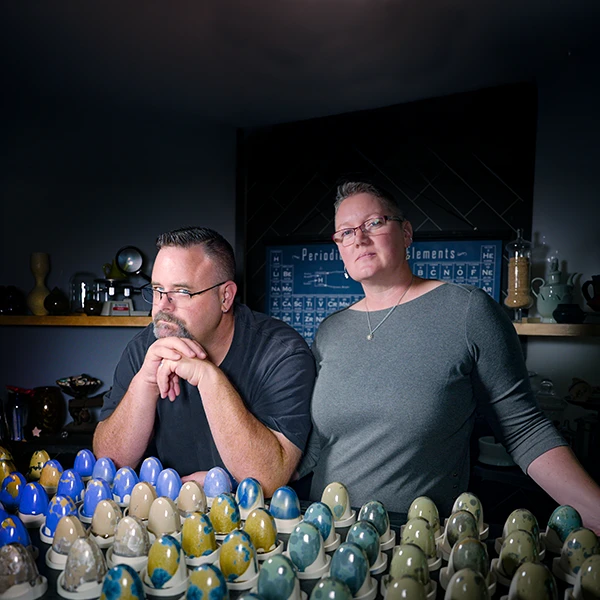
For Flux Sake Episode 107 address the question: How can you tell if a glaze is fully melted? For Flux Sake is hosted by Matt and Rose Katz of the Ceramics Materials Workshop along with Kathy King of the Harvard Ceramics Program. Together they answer your burning questions about clay and glaze. In each episode they answer listener submitted questions in a comical, but also insightful way. This show will have you laughing and learning about glaze chemistry the chemistry behind ceramics in no time.
On this episode your favorite glaze experts answer a listener’s question about judging the melt of an ash glaze, methods for wet mixing bentonite, and whether or not it’s safe to use industrial dinnerware made before lead was regulated. They also open the show talking about why you should never crush encapsulated stains.
Ready to dive deeper?
Loved learning about ceramic glazes? Want to go even deeper? Check out our Workshops & Courses, now available in Spanish, or YouTube Channel where Matt breaks it all down, myth-busting and Stull chart included!