Fine cracks in a fired glaze are easy to blame on the kiln.
Maybe the cooling was too fast. Maybe the glaze was too thick. Maybe the piece looked fine at first, and the cracks appeared after washing or use.
Those details can matter, but often are blaming the symptoms and not looking for the cure. When a glaze repeatedly develops a fine crack network, the better technical question is:
Does this glaze fit this clay body?
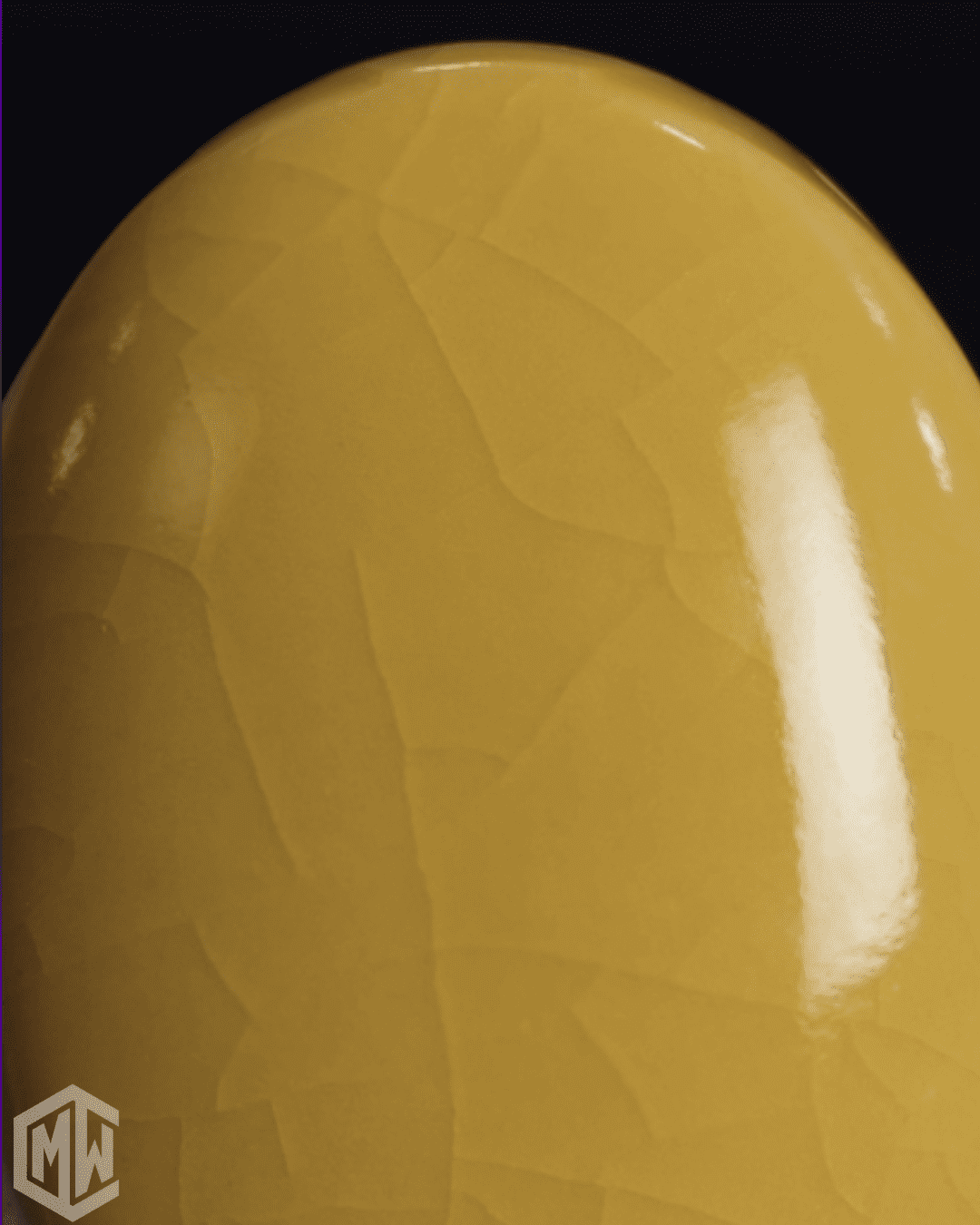

Crazing is one of the most common ceramic glaze defects. It is also one of the most
misunderstood because it looks like a surface problem, while the cause is often a material relationship problem.
At Ceramic Materials Workshop, we teach glaze defects through ceramic chemistry so makers can move from guessing to testing.
The crack is the symptom. The stress relationship is the cause
What Is Crazing?
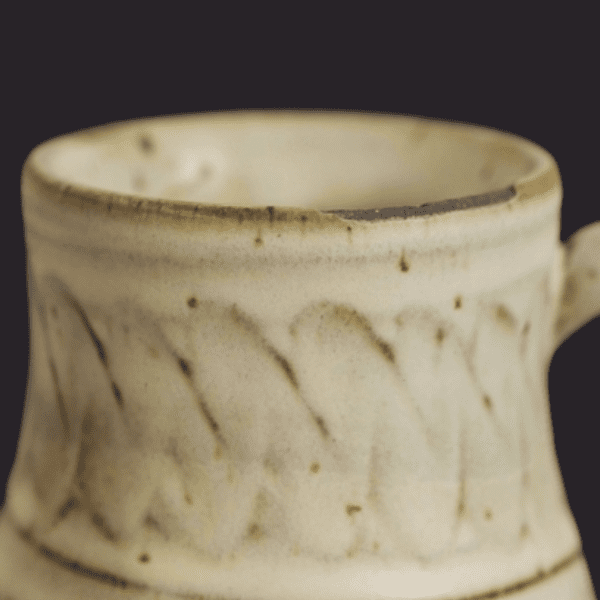
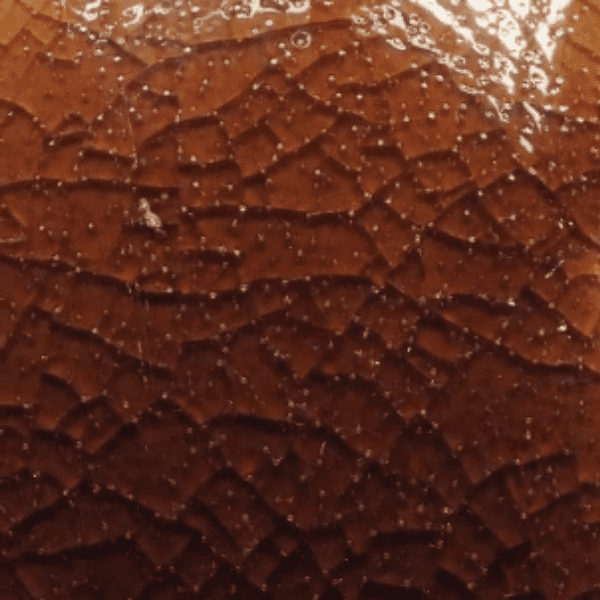
Crazing is a network of fine cracks in the fired glaze surface. The cracks may look like a spiderweb, a map, or just a few tiny irregular lines across the glaze.
Crazing can appear right after firing, or it can show up later after washing, heating, cooling, handling, or regular use. That delay is one reason crazing gets misread. The pot may look successful at first, but the stress in the fired system has not disappeared.
In simple terms, crazing happens when the fired glaze is under too much tension. Glass does not stretch well. When the stress is high enough, the glaze relieves that stress by cracking.
That crack is in the glaze. In many cases it can travel all the way through the glaze layer to the clay body, which is one reason crazing matters on functional work.
HHmmm I want to know more about other glazes in ceramics! READ CMW’S BLOG SERIES:Everything you need to know about glazes!
Why Glaze Fit Matters
Glazes and clay bodies both expand when heated and contract when cooled. We call this thermal expansion. The problem occur during cooling, when the fired glaze and fired clay body are physically bonded but are not contracting in exactly the same amount.
Although called expansion, we think thermal contraction is often the clearer way to understand the problem. The issue is that the fired glaze and fired body are moving differently as they cool. If the glaze contracts more than the clay body, the glaze is stretched across the body. That tensile stress produces the familiar crack network.
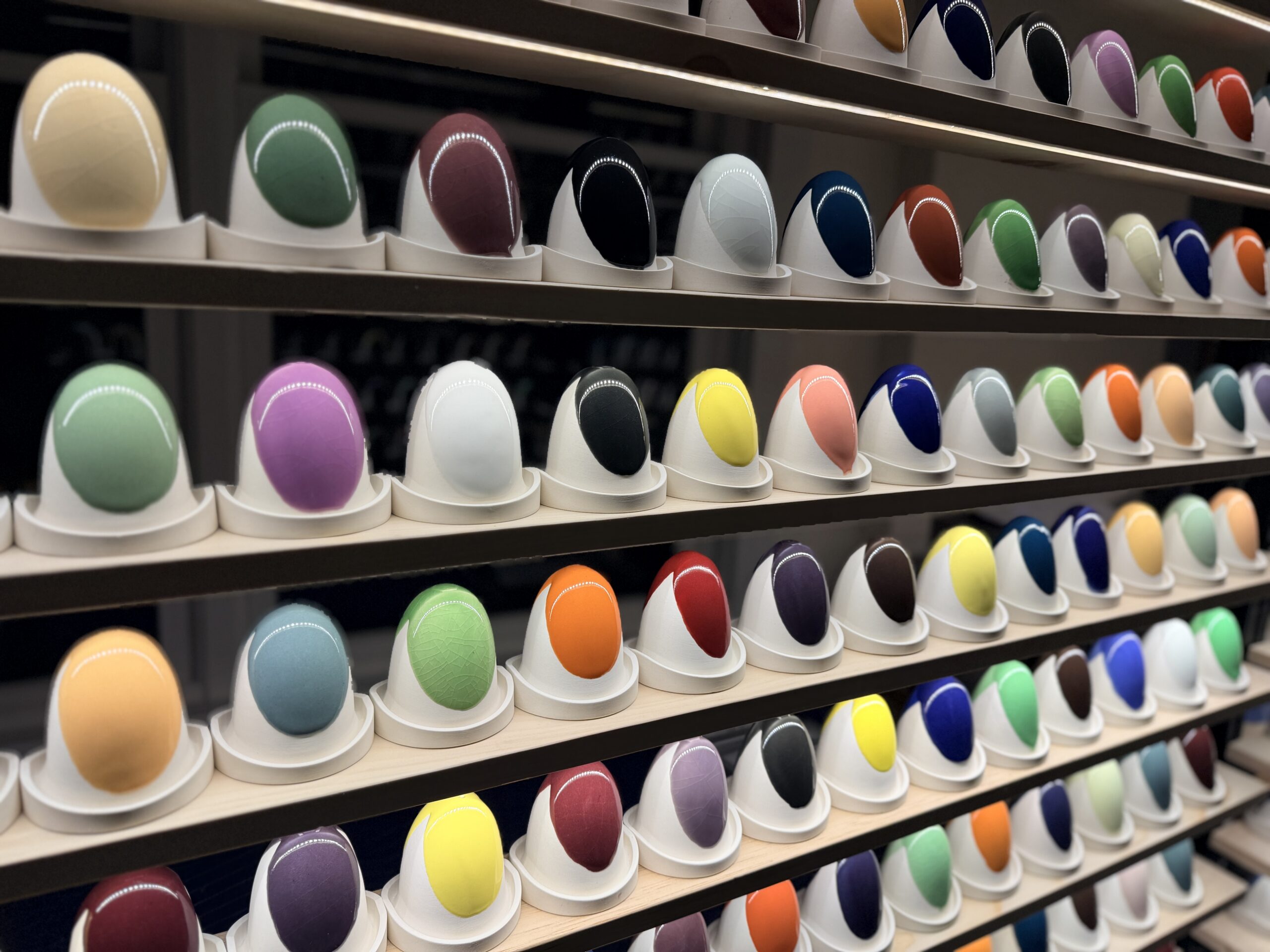
This is why crazing is better understood as a glaze/body fit problem than as a simple kiln problem. Neither the glaze nor the clay body individually is to blame. This is why you’ll often see the same glaze crazing on one clay body and not the other, because the expansion difference is bad on one clay body, so it crazes, but okay on the other, so it doesn’t.
The exact adjustment depends on the glaze, clay body, firing result, surface goal, and intended use. That is why a single internet recipe fix is not the same as understanding the chemistry.
Crazing, Shivering, and Dunting Are Related, But They Are Not the Same Evidence
Crazing belongs in a larger defects conversation because not every crack means the same thing.
Crazing is a crack network in the glaze surface. It usually points to the glaze being under too much tension in relation to the clay body.

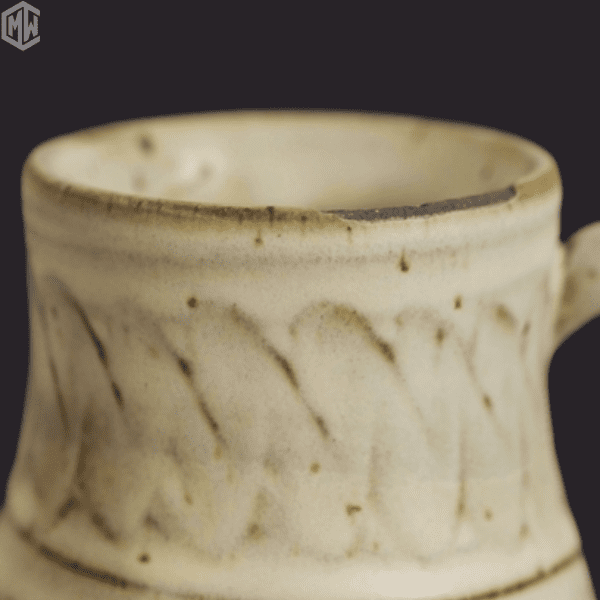
Shivering is the opposite stress relationship. Shivering appears as if “the glaze flaking off.” The common visible sign is glaze flaking at rims, edges, or corners, but the failure often involves the clay body fracturing. When the chip comes off, clay may be stuck to the back of the glaze chip. That tells you the body failed, not just the glaze surface. It’s essentially crazing of the clay body instead of the clay.
Dunting is a more complete body failure. It’s shivering in the most extreme way. The crack travels through the clay body or through the ware. Dunting is closely related to shivering because both involve stress being relieved through the body rather than through a glaze crack network. Dunting most commonly occurs with two different glazes on the inside and outside, only one surface being glazed, and often times combined with a weaker clay body.
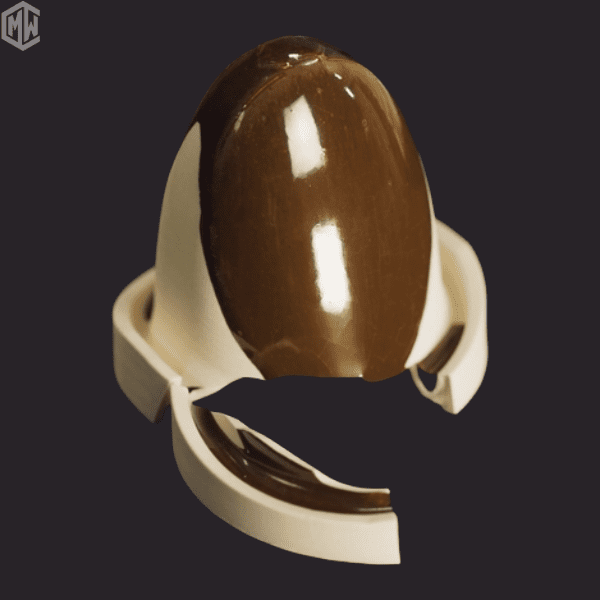
These distinctions matter because the next test depends on what kind of failure you actually have. Calling every crack “crazing” can send you in the wrong direction.
Sometimes those differences are insignificant. Sometimes they become extremely important.
A porcelain body designed around a very white kaolin may produce noticeably different results if a darker kaolin is substituted. A casting body may respond differently because of changes in particle size distribution. A glaze may suspend differently because one kaolin is finer than another.
This does not mean substitutions are impossible. It simply means that material substitutions should be approached thoughtfully rather than assuming that every material within a category behaves exactly the same way.
What to Check Before Changing a Recipe
Before changing the glaze, changing the firing, or blaming one material, slow down and gather evidence.
Start with the evidence you can see.
Is the crack only in the glaze surface?
If the crack continues through the clay body, you may be looking at dunting or another body-related failure.
Is there glaze flaking at a rim, edge, or corner?
That may point toward shivering, especially if the back of the chip carries clay with it.
Does the same glaze behave differently on another clay body?
That comparison can show whether the clay body is part of the fit problem.
Did the cracks appear immediately or later?
Delayed crazing still matters because it shows where the stress in the system is. Delayed crazing often happens because of a body whose firing temperature is not ideal.
Where is the glaze used?
A decorative exterior surface and a functional food-contact surface should not be evaluated with the same level of risk. Although we treat crazing as not that serious, technically it is not allowed by the Food and Drug Administration of the United States.
What Not to Do
Crazing is often treated as a quick-fix problem. That is where a lot of bad advice starts.
Do not assume slow cooling will solve it. Slow cooling can affect fired results, but it is not a reliable fix for a glaze/body fit problem.
Do not assume refiring has solved it. A refire may change what you see temporarily, but the fit relationship has not necessarily changed.
Do not assume one material is always the answer. Glaze chemistry is a system. Changing one material can affect melt, surface, color, durability, and fit at the same time.
Do not apply a “crazing fix” to a shivering or dunting problem. Those failures are related, but the evidence is pointing to a different stress direction.
READ CMW’S BLOG: Don’t Skip The Swatch! Why Glaze Testing is Your Ceramic SuperPower!
A Smarter First Step
A good first move is not to overhaul the entire glaze. A better first move is to create a small, controlled test that helps you learn what is happening.
Confirm the defect. Repeat the glaze/body combination. Compare another clay body. Change one variable at a time. Recheck the test after washing, handling, and time have passed.
And that is why we test, test, test.
That process will not hand you a universal answer, and that is the point.
The right next move depends on the chemistry of the glaze/body system, not on a memorized fix.
If you are making your own glaze, we like a simple test where you add in a series of 1.25% silica and 1% kaolin additions to see if the crazing goes away with those changes.
An important thing to look for is how intense the crazing is. The fewer crazes there are, the closer you are to a solution. The more intense the crazing is, the harder it’s going to be to solve. Some glazes and clay bodies are never going to be friends.

Conclusion
Those tiny cracks are not the end of the conversation. They are the beginning of a better question:
What is this glaze/body system doing after firing?
Crazing gives you useful information. It tells you the fired glaze is carrying stress. It asks you to separate a glaze-surface crack from shivering at an edge or a dunting crack through the body.
Once you make that distinction, you can stop treating every crack as the same problem.
The goal is not to memorize a universal crazing fix. The goal is to build a testing habit that helps you see the material relationship behind the defect.
Ceramic Materials Workshop teaches the deeper layer: the ceramic chemistry behind glaze fit, thermal expansion, testing, and adjustment. Use this article as the starting point. When you are ready to move from “what happened?” to “why did it happen?”, learn with Ceramic Materials Workshop.
Interested in more CMW content? Watch CMW’s SHORTS on YouTube
Everything you wanted to know about clay and glazes *But didn’t know who to ask
Ceramic Materials Workshop’s YouTube is a place online to learn how ceramic materials work (and why they don’t work). We will explore the secrets of clay and glazes, temperature and atmosphere, materials and methods. All the things that we love (and loathe) about ceramics.
Ready to dive deeper?
Loved learning about ceramic glazes? Want to go even deeper? Check out our Workshops & Courses, now available in Spanish, or YouTube Channel where Matt breaks it all down, myth-busting and Stull chart included!