For potters seeking unique and captivating finishes, fake shino glazes offer a fascinating world of possibilities. These glazes, celebrated for their distinct visual characteristics, can transform your ceramic pieces with their interplay of creamy and earthy tones.
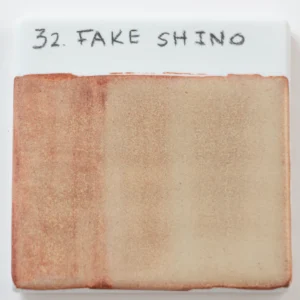
(Image owned by Decopot Pottery Supplies)
A Glimpse into Shino’s Past and Its American Translation
To understand “fake shino” glazes, it’s helpful to look back at the origins of traditional Shino. The original Shino glazes emerged in 16th-centry Japan.
The concept of “American Shino” came much later, While the term “fake shino” isn’t a formal historical classification, it generally refers to glazes that emulate the aesthetic of traditional Shino or are a variation within the American Shino lineage, often achieved with different compositions and firing methods to mimic the iconic look.
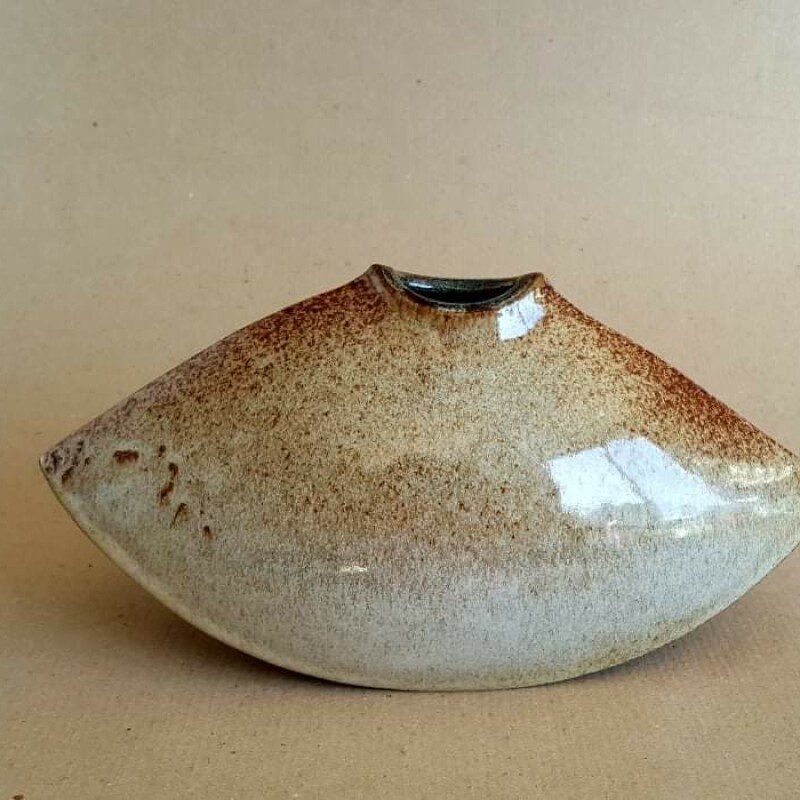
(Image owned by Clara Giorello @giorello)
What Makes Them Unique?
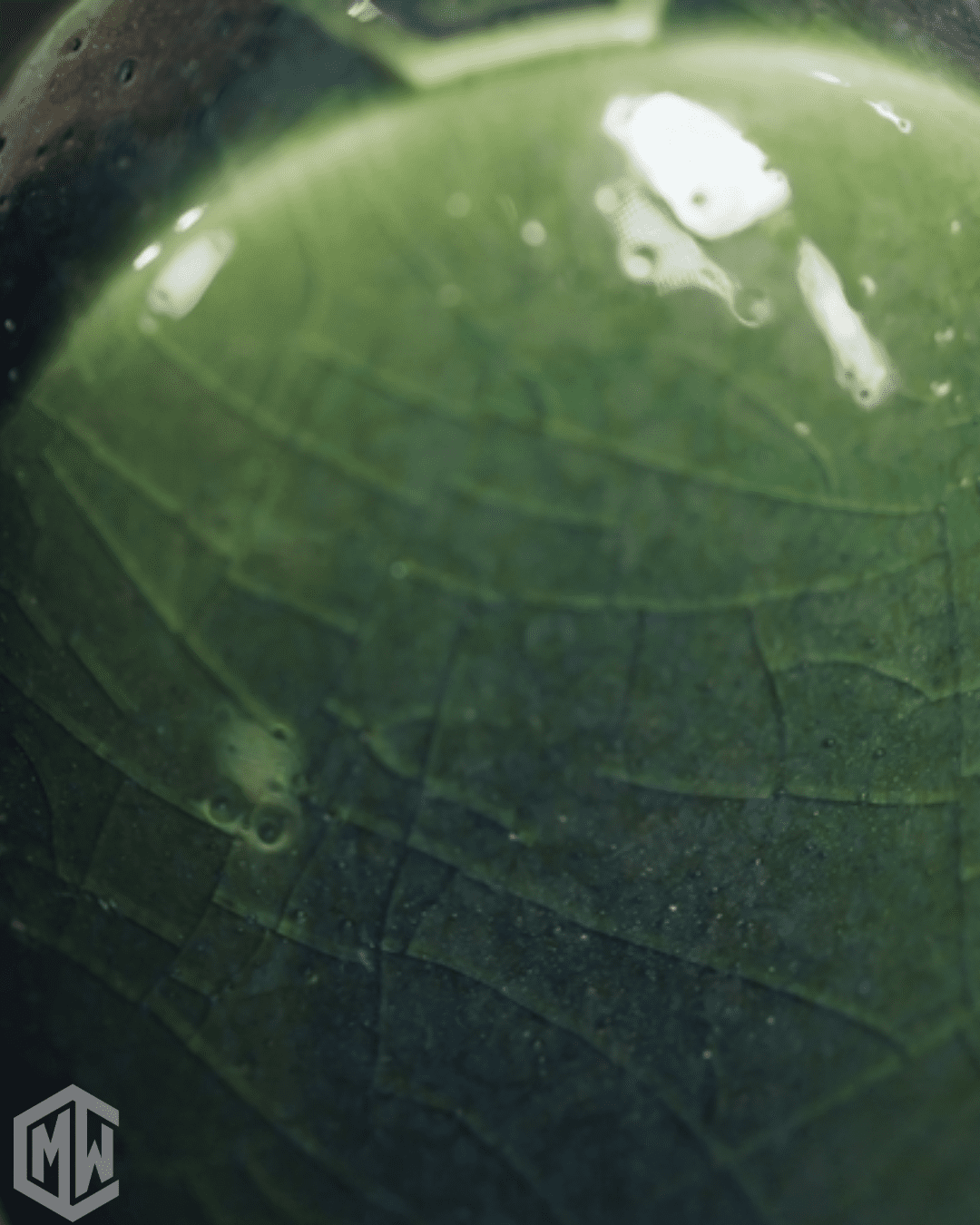
Fake shino glazes are easily recognizable by their signature appearance: a rich, creamy look where the glaze is applied thickly, and a broken, earthy brown where it’s thinner. This captivating contrast creates a dynamic surface that highlights the contours an textures of your pottery.
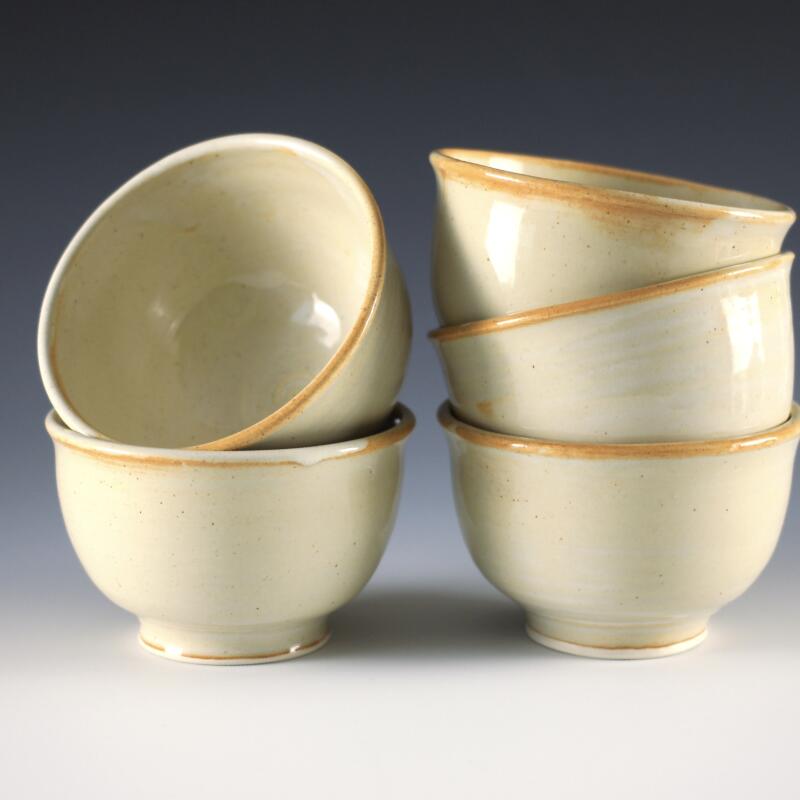
(Image owned by Sandra Lee @sandraleepottery)
But what about REAL Shinos? Read more about Shino Glazes: What they are and why they are so special
The Secret Behind the Look: Composition and Firing
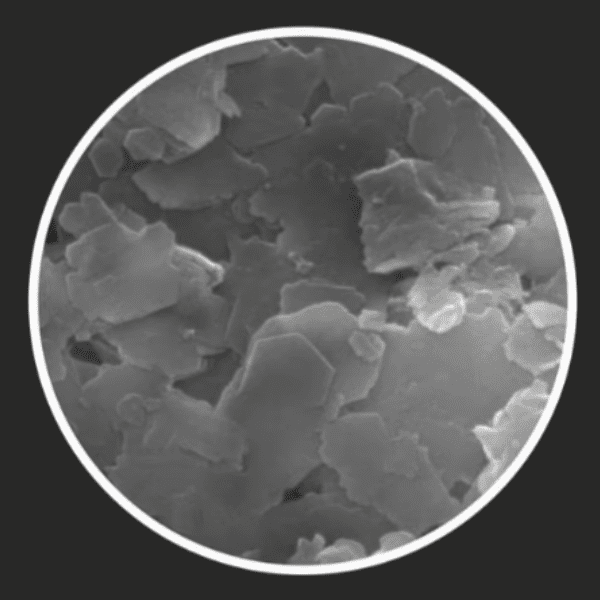
At their heart, these glazes are a blend of tin and iron. This combination is key to achieving their characteristic visual effects. When it comes to firing, fake shino glazes are typically fired in a cone six oxidation process. This specific firing condition contributes to the development of their unique colors and textures.
The Critical Factor: Glaze Thickness
One of the most exciting aspects of fake shino glazes is their ability to produce interesting variations. They work particularly well over textured surfaces, where the differing glaze thicknesses can emphasize the details and create a truly engaging visual experience. Whether you’re working with carved, impressed, or altered forms, a fake shino glaze can beautifully complement and enhance your design.
Achieving the desired effect with fake shino glazes heavily relies on controlling the glaze’s thickness.
- Too Thick? A Creamy Uniformity: If your glaze is applied too thickly, you’ll likely end up with a very creamy, uniform look across the entire piece. While still beautiful, you might miss out on the captivating brown breaks.
- Just Right? The Perfect Balance: To truly unlock the magic of these glazes, consider thinning them out slightly by adding a bit of water. This allows for a cool texture to emerge, showcasing both the rich brown and the creamy areas where the glaze naturally pools a bit thicker. The result is a more dynamic and visually interesting surface.
Hmmm…But I need help with application! Don’t worry, CMW’s Blog The Science Behind Glaze Application will help you!
Troubleshooting Tip:
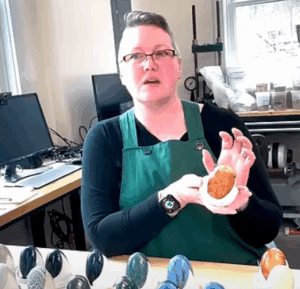
If you find that your glazed piece is entirely cream-colored after firing, it’s a clear indication that your glaze was too thick. Don’t worry, it’s an easy fix for your next batch! Simply add some water to thin it down, and you’ll be well on your way to achieving those stunning variations.
Experiment with fake shino glazes and discover the beautiful possibilities they offer for your ceramic creations!
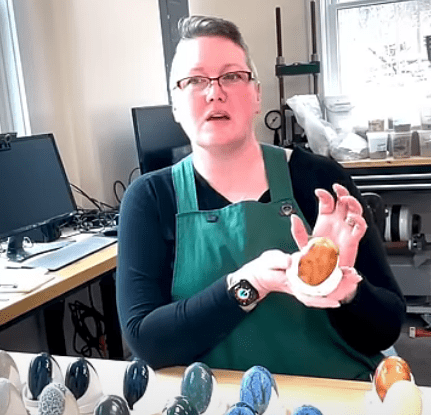
Want to see more about Fake Shinos? Watch our full video!
Ready to dive deeper?
Loved learning about ceramic glazes? Want to go even deeper? Check out our Workshops & Courses, now available in Spanish, or YouTube Channel where Matt breaks it all down, myth-busting and Stull chart included!