Unleashing the Fury: A Deep Dive into Lava Glazes
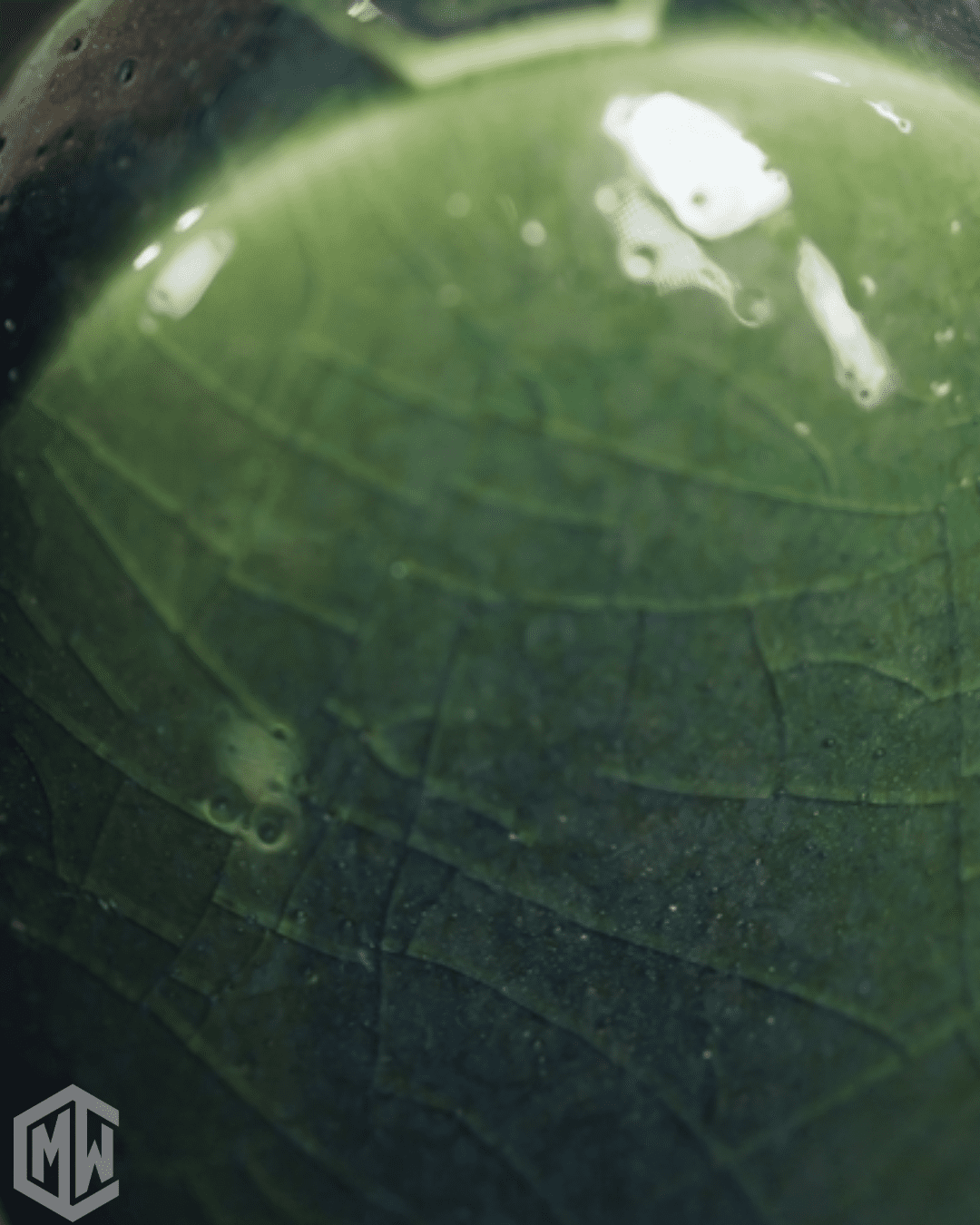
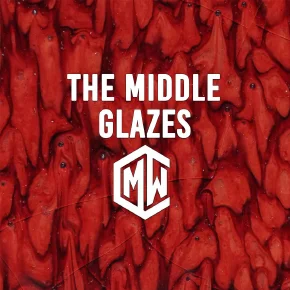
Lava glazes are known for their dramatic, textured surfaces that mimic the look of molten rock. The bubbling and foaming effects are a result of a fascinating chemical reaction.
Do you have everything I should know about ceramics for a beginner? Look no futher! Read: CMW’s Beginner Guide HERE

The Science Behind the Bubbles
The secret ingredient in creating these dynamic glazes is silicon carbide. When heated, the silicon carbide decomopose, producing carbon dioxide gas. This gas gets trapped within the melting glaze, causing bubbles which expand, and swell. Some bubbles pop, while others heal, resulting in the unique visual texture of lava glazes.
Beyond the Video: Exploring Lava Glaze Techniques
 My search revealed some additional insights into working with lava glazes:
- Silicon Carbide Grit: The size of the silicon carbide particles influences the texture. We find that 100-250 mesh are best. Finer grits don’t foam as well and coarser grits hard pan
- Application Thickness: Thicker glaze applications tend to produce more pronounced lava-like formations. Lava Glaze Set
- Firing Temperature: Lava glazes can work at any temperature, but we like them best at cone 10
- Glaze Recipes: Many different recipes exist, often involving materials. We find, Barium tends to make the best lava glaze. Akiko’s crater glaze | Glazy
Safety: Be careful. These glazes are making thin glass bubbles, which can get embedded in skin. So if the glaze sounds like rice crispies when you touch it… I wouldn’t touch it anymore.
Read CMW’s Blog: The Real Reason We Glaze in Ceramics
Making Glazes, Make Sense!
This immersive, 16-week long course (an extended four weeks beyond our current Understanding Glazes program) will teach you literally everything you need to know about glazes, transforming your understanding from basic application to in-depth chemical mastery.
We build upon all the core topics of “Understanding Glazes” and expand significantly, adding four extra weeks of critical content, including deep dives into Color, Application, Health & Safety, and Firing.

Ready to dive deeper?
Loved learning about ceramic glazes? Want to go even deeper? Check out our Workshops & Courses, now available in Spanish, or YouTube Channel where Matt breaks it all down, myth-busting and Stull chart included!