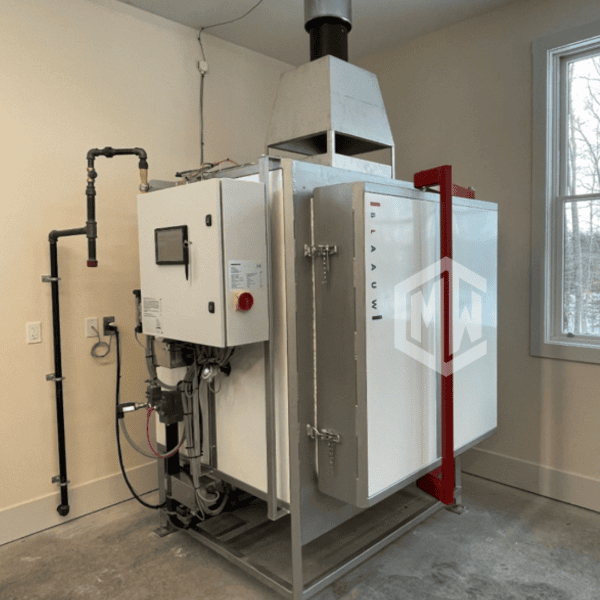
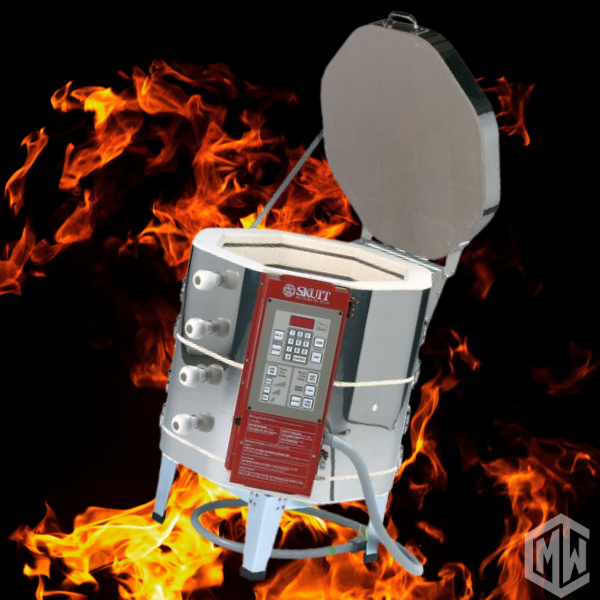
A kiln is one of the most important pieces of equipment in a ceramic studio, but it is also one of the easiest to misunderstand. From the outside, it looks simple: a chamber, some heat, a controller, maybe a vent, and a final firing number. Put the work in, fire the kiln, unload the pots, and see what happened.
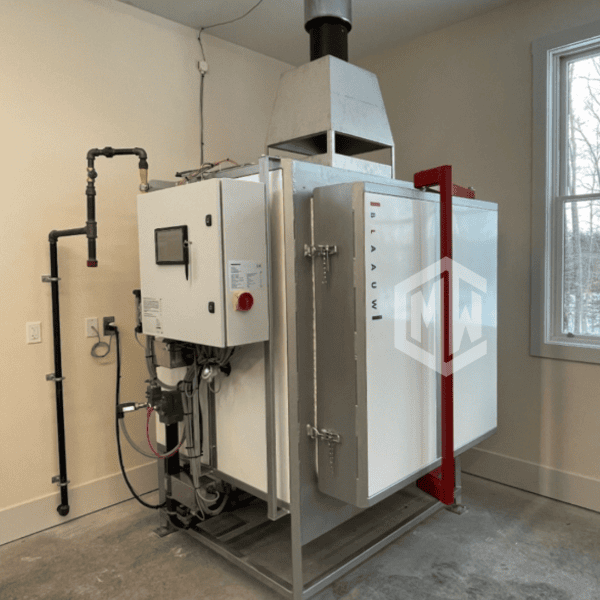
That simplicity is deceptive. A kiln is not just a hot box. It is a controlled environment where clay and glaze are changed by heat over time. The kiln is where clay sinters and vitrifies, where glaze materials melt into glass, where colorants develop, where defects appear, and where some of the most interesting surface effects are created.
The biggest shift is this: a kiln does not simply fire to temperature. It delivers heat work. That means your glaze result is not controlled by one number on a controller screen. It is controlled by the combined effect of time, temperature, atmosphere, measurement, kiln position, insulation, application thickness, and cooling.
What a Kiln Actually Does
A kiln is the heated chamber used to drive ceramic chemical reactions. That sounds technical, but the idea is practical. Clay and glaze are not just being warmed up. They are being changed. Particles bond together, clay becomes permanent, the clay body moves toward vitrification, and the glaze layer melts into a thin coating of glass on the surface of the ware.
That glass coating is not separate from the firing. A glaze recipe only becomes a glaze surface because the kiln gives it enough heat work to melt, move, smooth, crystallize, separate, heal, or fail. The same glaze chemistry can look different if the firing changes. A glaze that is almost mature may look dry in one kiln position and more melted in another. A glaze that depends on cooling may look flat in a fast-cooling kiln and more developed in a slow-cooling kiln.
This is why it is not enough to say, “I fired it to the right temperature.” The better question is, “What firing experience did the work actually receive?” That question opens the door to better diagnosis. Instead of blaming the kiln, the glaze name, or one ingredient, you start looking at the whole system.
HHmmm I want to know EVERYTHING about kilns! READ CMW’S BLOG SERIES: Everything you need to know about kilns!
Temperature Is Not the Same as Heat Work
Temperature matters, but it is not the whole firing. In ceramics, the more useful idea is heat work, which means the combined effect of time and temperature. A kiln that climbs quickly through the end of a firing does not give the ware the same experience as a kiln that moves more slowly through that same range. A hold changes the firing because the glaze spends more time hot. A packed kiln may heat differently than a lightly loaded kiln.
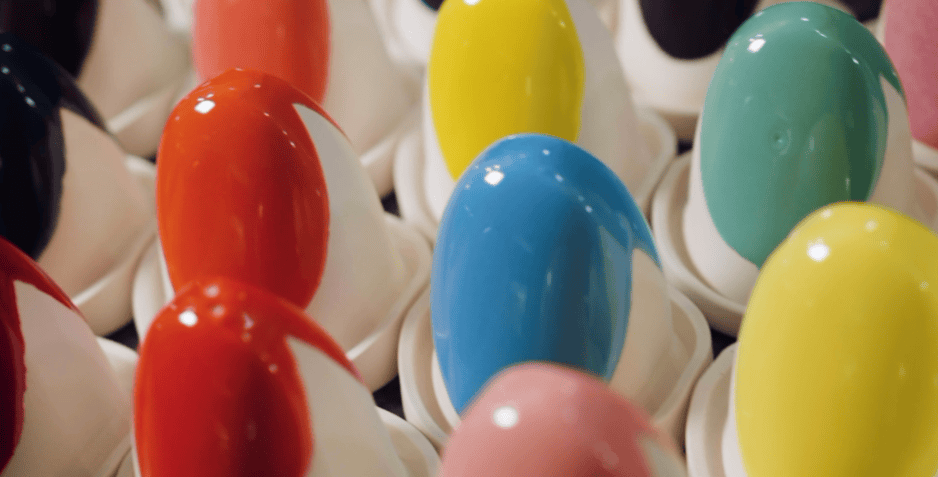
This is why two firings can show the same final temperature and still produce different glaze results. The controller may report that the kiln reached the programmed number, but the glaze responds to the complete firing, not just the final reading. That includes the climb, the hold, the cooling, and the real conditions around the pots.
Pyrometric cones are valuable because they respond to heat work, not just temperature. They bend because they have absorbed the firing. They witness what happened in the kiln in a way a temperature display cannot fully describe.
Your Controller Reads Temperature. Your Cones Witness Heat Work.
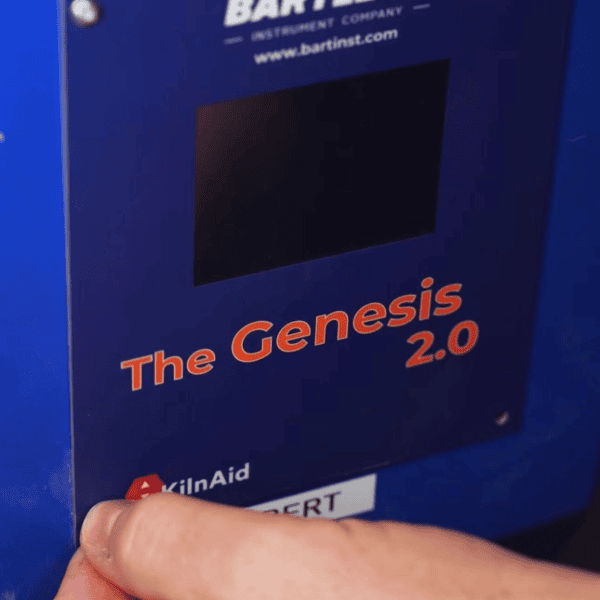
A kiln controller is useful. It helps repeat firing programs, manage ramp rates, add holds, and shut the kiln off at the intended point. In an electric kiln, the controller receives information from the thermocouple, then uses that information to turn the kiln on and off as needed. That is a major advantage over firing completely by eye or guesswork.
But a controller is still limited. It reads temperature at the thermocouple. It does not know what happened on every shelf. It does not know whether the bottom of the kiln was cooler than the top. It does not know whether the load was packed tightly, whether the elements are aging, whether one shelf blocked heat circulation, or whether a glaze was applied thicker than usual.
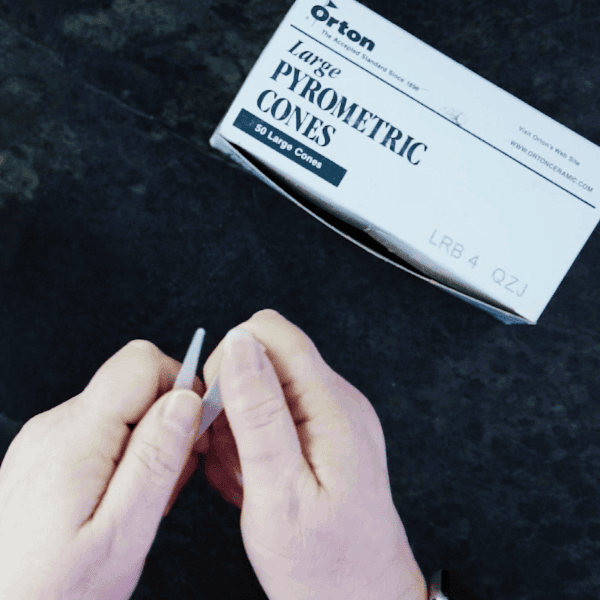
That is why witness cones still matter in an electric kiln. A cone pack placed in the kiln gives a physical record of heat work where the ware is. It can show whether different parts of the kiln fired differently, whether the controller and kiln are still agreeing with each other, and whether a firing actually delivered what you expected.
The controller is not the enemy. The controller is a tool. The problem starts when we treat the controller as the whole truth. A better studio practice is to use the controller and cones together: one gives you programmed control, and the other gives you fired evidence.
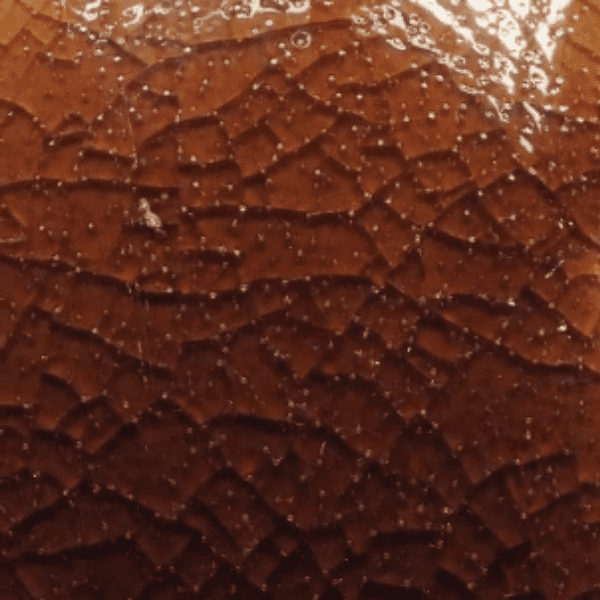
These distinctions matter because the next test depends on what kind of failure you actually have. Calling every crack “crazing” can send you in the wrong direction.
Sometimes those differences are insignificant. Sometimes they become extremely important.
A porcelain body designed around a very white kaolin may produce noticeably different results if a darker kaolin is substituted. A casting body may respond differently because of changes in particle size distribution. A glaze may suspend differently because one kaolin is finer than another.
This does not mean substitutions are impossible. It simply means that material substitutions should be approached thoughtfully rather than assuming that every material within a category behaves exactly the same way.
READ CMW’S BLOG: Understanding the Perfect Cone Bend!
Electric Kilns and Fuel Kilns
Kilns can be heated in different ways. Electric kilns create heat through resistance. Electricity moves through elements, the elements resist that flow, and heat is produced. Fuel kilns create heat through combustion. Fuel and oxygen burn, producing flame and heat.
The heat itself is still heat. A fuel kiln does not make a magical kind of heat that an electric kiln cannot understand. The differences come from the system around the heat: atmosphere, insulation, flame path, kiln mass, cooling rate, and the way the firing is controlled. Those differences can be very important, but they should be diagnosed clearly.
Electric kilns are commonly associated with oxidation firings and controller-based firing programs. Fuel kilns are commonly associated with reduction, flame movement, heavier insulation, and slower cooling. Those differences can affect glaze color, surface, and effect development. But the kiln type alone does not explain the result. The glaze still has to contain chemistry that responds to those firing conditions.
Atmosphere Matters, But Only When the Chemistry Can Respond
Atmosphere is one of the most misunderstood firing topics.
Oxidation and reduction are often treated like they transform every glaze in dramatic ways, but that is not how glaze chemistry works. Most base glaze ingredients are not meaningfully changed by reduction. The biggest visible changes usually come from specific colorants that can change their chemical state in response to the firing atmosphere.
Iron and copper are the classic examples. Low levels of iron can shift color in reduction. Copper can produce very different results depending on chemistry and atmosphere. But a glaze without chemistry that responds to reduction is not going to become special just because it was fired in a reduction kiln.
That point matters because potters often over-attribute results to firing atmosphere. A glaze may look different in a gas kiln because of reduction, but it may also look different because the kiln cooled more slowly, because the glaze was thicker, because the heat work was different, or because the kiln position was different. Atmosphere is important, but it is one variable in the whole system.
READ CMW’S BLOG: Don’t Skip The Swatch! Why Glaze Testing is Your Ceramic SuperPower!
Ramp Rate and Hold Are Part of the Firing
A ramp rate is the controlled rate of temperature change in a firing program. A hold, also called a soak, is a period where the kiln stays at a set point instead of continuing to climb or cool. Both are common controller terms, and both affect heat work.
A hold is not a magic repair button. Holding the kiln hot gives the glaze more time at heat, which means more heat work. That may help a glaze finish melting or allow some defects to heal, but it can also push a glaze farther than intended. A glaze that was already fluid may run more. A surface that depended on being right at the edge of maturity may lose the effect you liked.
Ramp rate also matters because the kiln’s path through the firing affects the result. Changing the firing speed changes how much time the ware spends in important temperature ranges. In glaze work, small firing differences can matter, especially when the glaze is sitting close to a boundary between glossy, matte, crystalline, underfired, fluid, stable, or defective behavior.
Cooling Is Not After the Firing. Cooling Is Part of the Firing.
It is easy to think the firing is finished once the kiln shuts off, but glazes continue to develop as they cool. Cooling affects crystal growth, phase separation, opacity, surface texture, and some color responses. A glaze that looks unremarkable with a faster cooling cycle may develop more interest when the cooling is slower.
This is one reason fuel kiln results are often different from electric kiln results. A heavily insulated fuel kiln may cool more slowly than a smaller electric kiln, and that slower cooling can encourage effects that need time to develop. The key is not to confuse kiln type with cause. A result may not be “because it was gas.” It may be because the cooling curve changed.
That distinction is useful because it gives potters more control. If the effect is really about slow cooling, then the question becomes whether the electric kiln can be programmed to imitate part of that cooling behavior. If the effect is really about reduction, then the glaze chemistry and atmosphere need to support that. Either way, diagnosis improves when we name the variable correctly.
Venting Has a Job, But It Is Not a Universal Glaze Fix
Venting is important, but it should be understood in context. Fuel kilns require proper venting because combustion produces gases that must be safely exhausted. Electric kilns do not create heat through combustion, but vents may still be used for studio safety, kiln design, odor management, or to help remove fumes released from ware and materials during firing.
The mistake is treating venting as a universal answer to every glaze problem. Some defects are connected to gases and melt behavior, but others come from glaze chemistry, application thickness, heat work, firing position, or clay-glaze interaction. A vent may be part of a good studio setup, but it is not a substitute for diagnosis.
If a glaze blisters, pinholes, crawls, runs, turns dry, or changes color, the question is not simply, “Do I need a vent?” The better question is:
“What is the glaze doing, when is it doing it, and what part of the system could be responsible?”
That keeps the diagnosis connected to evidence instead of studio folklore.
Kiln Variation Is Real
Every kiln has variation. That does not mean kilns are mysterious. It means they are physical systems with measurable differences. The top may fire differently from the bottom. The center may differ from the edges. The kiln may change as elements age. A dense load may behave differently from a loose load. A shelf arrangement can change heat movement. A thermocouple may drift over time.
This is why the same glaze can look different in different parts of the kiln. It is also why testing should be repeated when the result matters. One test tile in one position from one firing is information, but it is not the whole truth. A repeated test gives you a better sense of whether the result was caused by chemistry, firing, application, kiln position, or chance.
When results differ from expectations, start with the practical variables. Look at glaze thickness, firing position, heat work, kiln variation, atmosphere, cooling, and possible mislabeling. In the MGMS approach, the whole system matters. Do not diagnose from the material name alone, and do not assume the kiln number tells the whole story.
Glaze Results Come From the Whole System
A glaze surface is the result of chemistry plus firing. The kiln does not replace glaze chemistry, and glaze chemistry does not exist outside the kiln. They are connected. The recipe supplies the materials, the chemistry defines the possibilities, and the kiln creates the conditions where those possibilities become visible.
That is why a kiln problem is not always a kiln problem. A glaze that looks underfired may have received too little heat work, but it may also be formulated for a different firing. A glaze that runs may be overfired, but it may also have chemistry that is too fluid for that clay body or application thickness. A glaze that changes color may be responding to atmosphere, but it may also be responding to thickness, cooling, or the base glaze chemistry.
Better firing practice is not about memorizing one perfect schedule. It is about learning to read the evidence. Use cones. Take notes. Track kiln position. Record application thickness. Compare repeat firings. Notice patterns. The kiln is giving you information every time you fire, but you have to collect that information in a way that helps you learn.
HHmmm I want to know EVERYTHING about kilns! READ CMW’S BLOG SERIES: Everything you need to know about kilns!
The Better Way to Think About Your Kiln
Your kiln is not just a hot box. It is a controlled environment for ceramic change. It applies heat over time. It creates a firing atmosphere. It measures temperature through a thermocouple. It can be checked with cones. It heats unevenly in real-world ways. It cools at a particular rate. It interacts with every glaze and clay body inside it.
That is why the kiln is central to making glazes make sense. When a glaze works, the chemistry and firing worked together. When a glaze fails, the diagnosis has to include both. The controller screen is useful, but it is not the complete story. The glaze surface, the cone pack, the kiln position, the firing record, and the repeat test all matter.
So the next time a glaze does something unexpected, do not stop at “the kiln reached temperature.” Ask whether the ware received the right heat work. Ask whether the cones agreed with the controller. Ask whether the glaze was applied consistently. Ask whether the cooling changed. Ask whether the atmosphere was relevant to that glaze chemistry. Ask whether the result repeats.
That is how a kiln stops being mysterious. It becomes part of the evidence. Your controller reads temperature, your cones witness heat work, and your glaze shows whether the chemistry and firing worked together.
Interested in more CMW content? Watch CMW’s SHORTS on YouTube
Everything you wanted to know about clay and glazes *But didn’t know who to ask
Ceramic Materials Workshop’s YouTube is a place online to learn how ceramic materials work (and why they don’t work). We will explore the secrets of clay and glazes, temperature and atmosphere, materials and methods. All the things that we love (and loathe) about ceramics.
Ready to dive deeper?
Loved learning about ceramic glazes? Want to go even deeper? Check out our Workshops & Courses, now available in Spanish, or YouTube Channel where Matt breaks it all down, myth-busting and Stull chart included!